
Sedona Sunset: The Best Spots and When to Go
Here's an honest rundown of the spots that actually deliver, the one nearly everyone gets wrong, and the quiet one almost nobody bothers with.
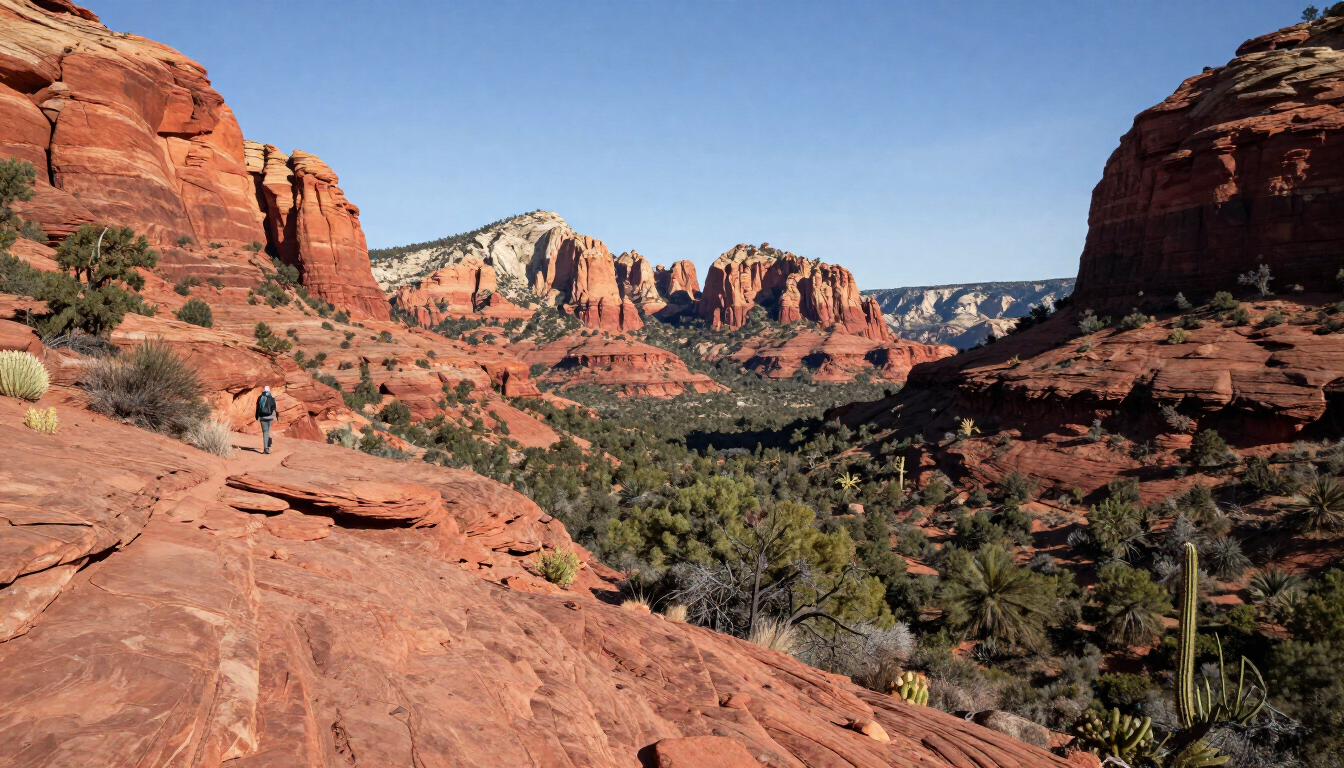
Ask five people where to catch the best sedona sunset and you'll get five different answers, and honestly, most of them are right. The red rock formations catch light differently depending on where you're standing, which is part of why the same sunset can look completely different from a mesa top than it does from a creek bed twenty minutes away. Here's an honest rundown of the spots that actually deliver, the one nearly everyone gets wrong, and the quiet one almost nobody bothers with.
Why Sedona sunsets hold onto color longer
The high desert air here is thin and dry, so there's less haze to mute the light on its way down. Red rock formations also reflect warm light back up even after the sun drops below the horizon, so the color holds for longer than most places, often 20 to 30 minutes past sunset itself. That afterglow window is worth planning around: some of the best views come after the sun is technically gone.
Airport Mesa: the classic, and the crowd math
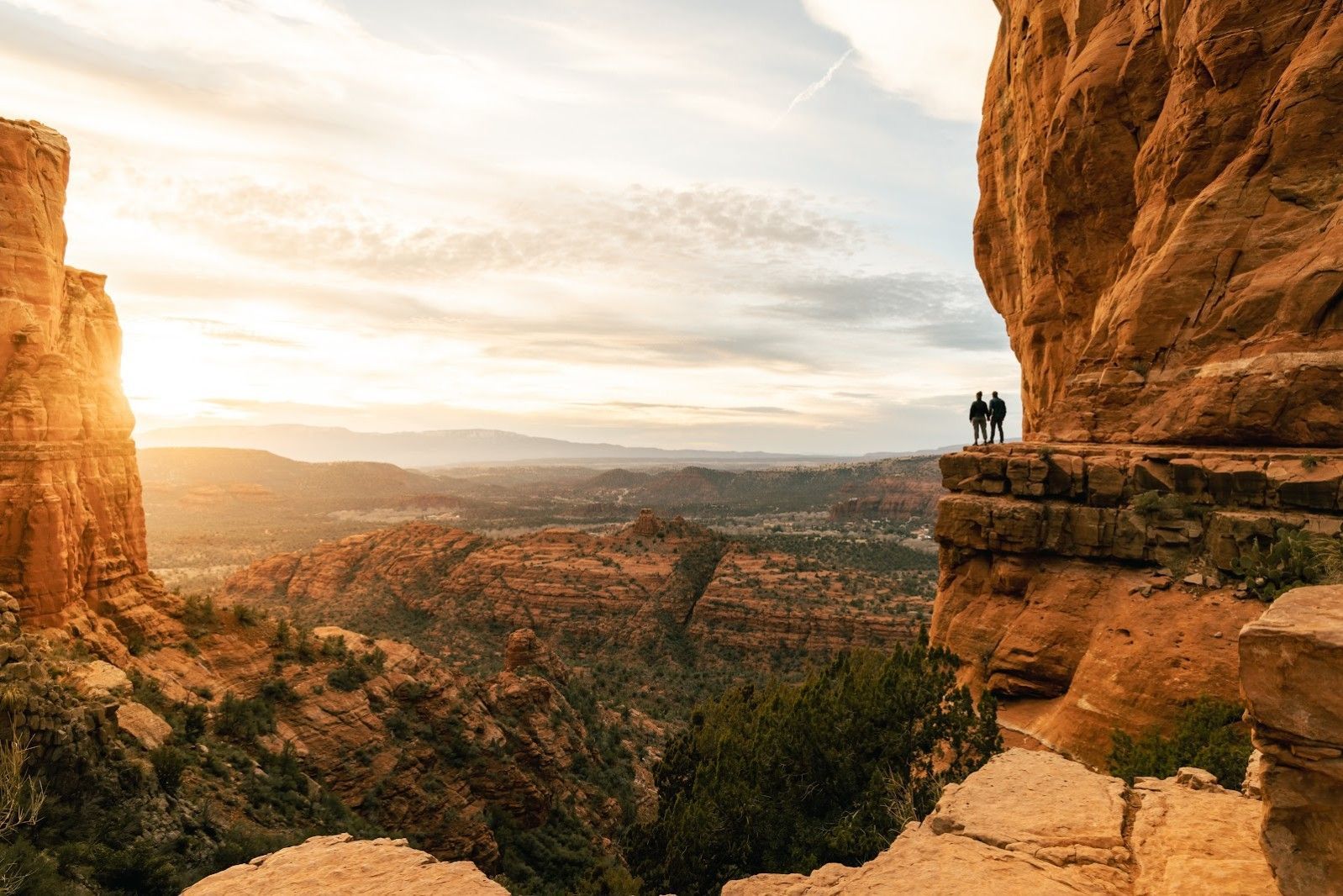
Airport Mesa is the sunset spot most first-time visitors find first, and there's a reason it shows up on every list. The overlook sits above downtown Sedona off the Sedona View Trail, with a roughly 180-degree line of sight across the valley and the formations beyond it. Paid parking (around $3) sits right next to the viewpoint.
The honest catch: everyone else found this list too. The gravel viewing area is small and fills up fast. Arrive at least 30 minutes before sunset for a clear sightline instead of a view of someone's phone. Weekday evenings and shoulder months like September are noticeably calmer than a Saturday in peak season.
Bell Rock and Courthouse Butte: the view from where you're staying
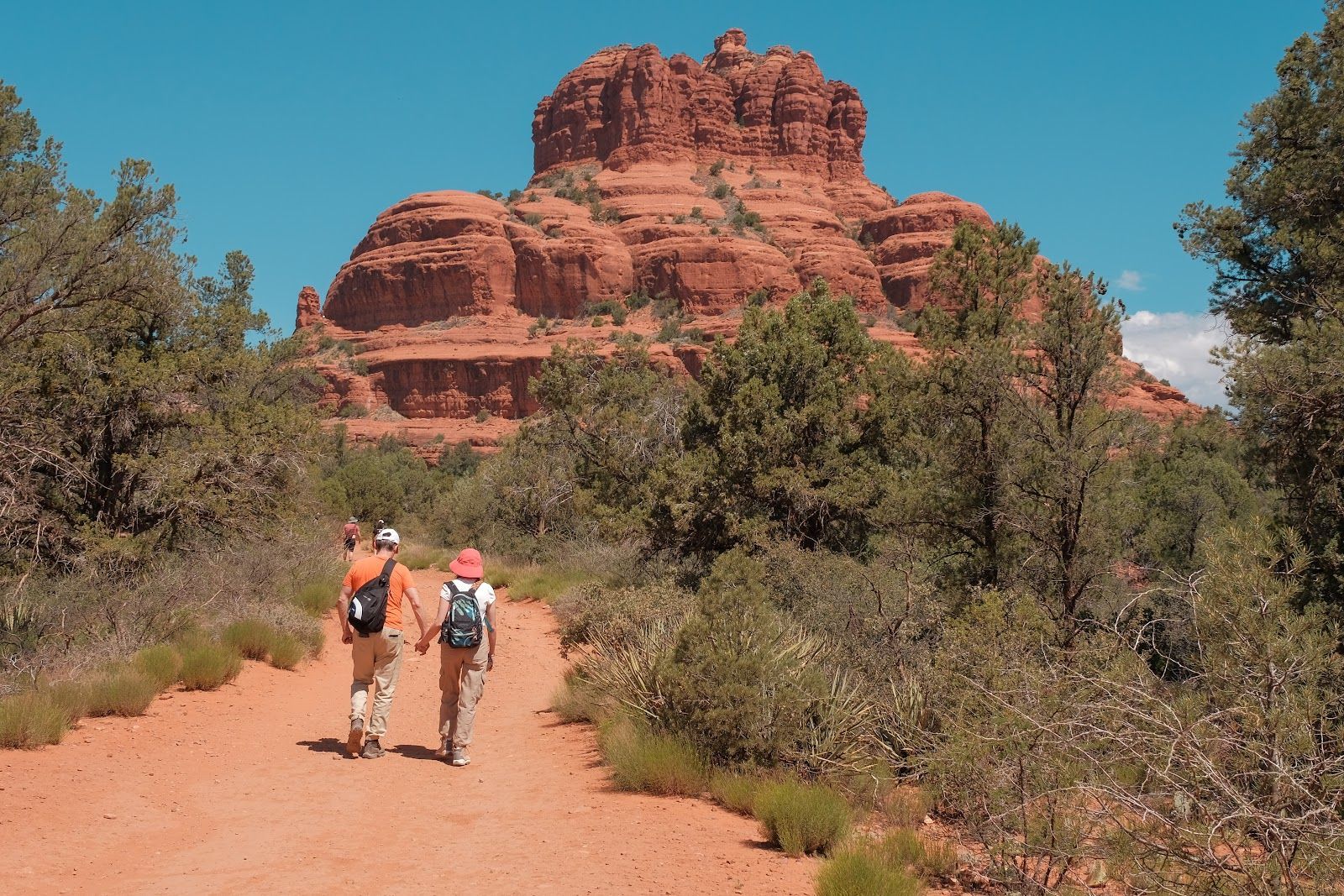
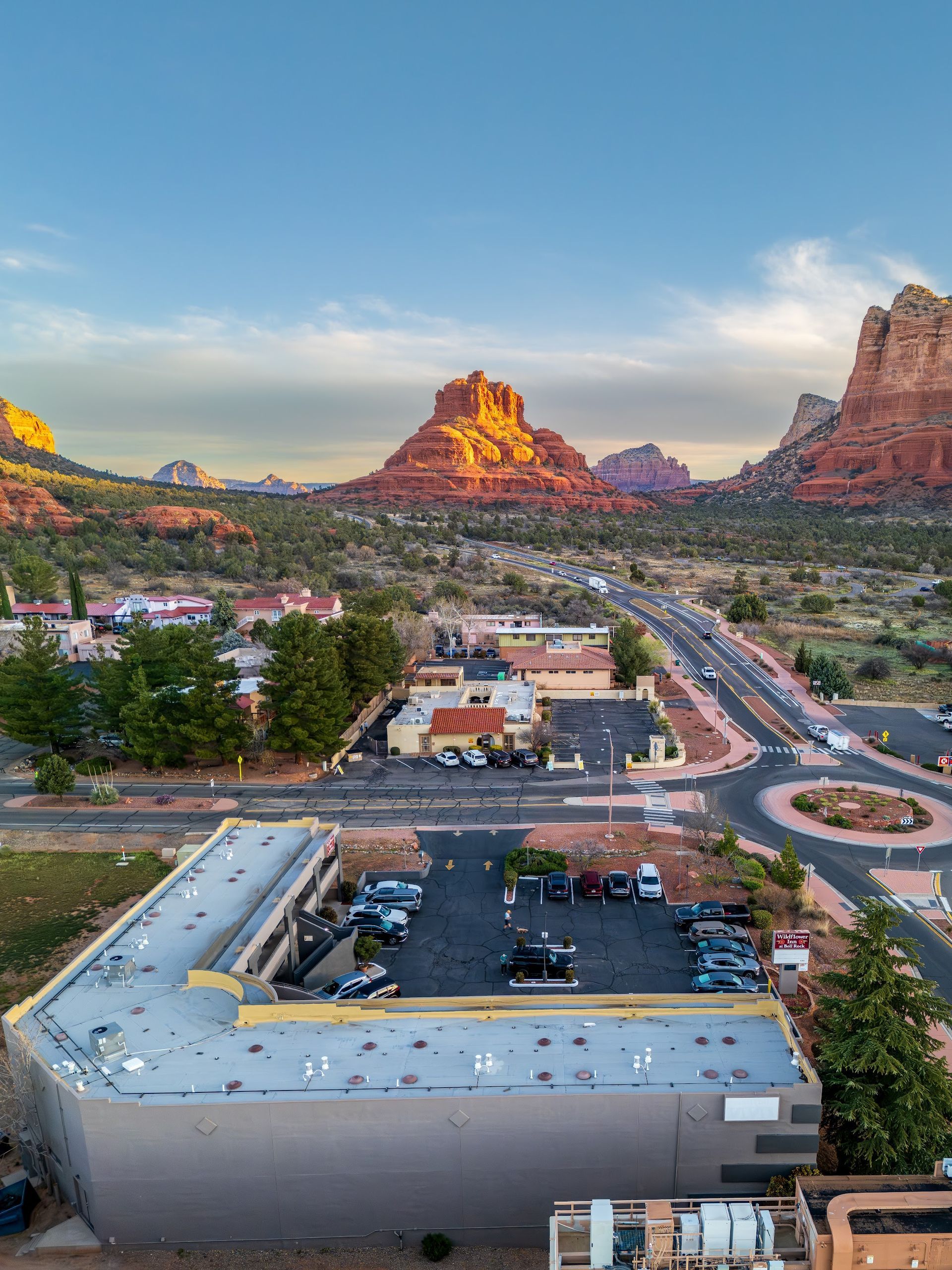
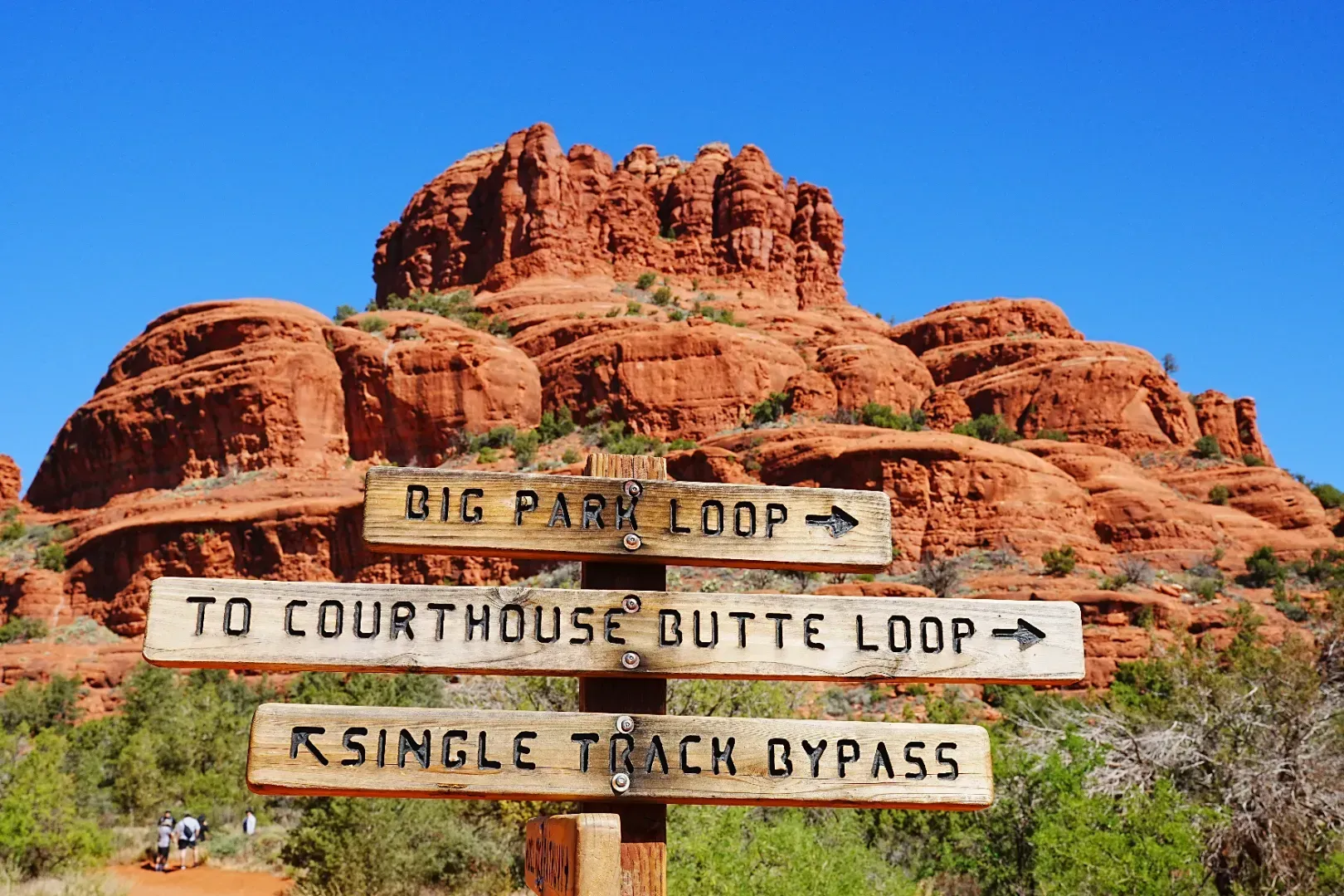
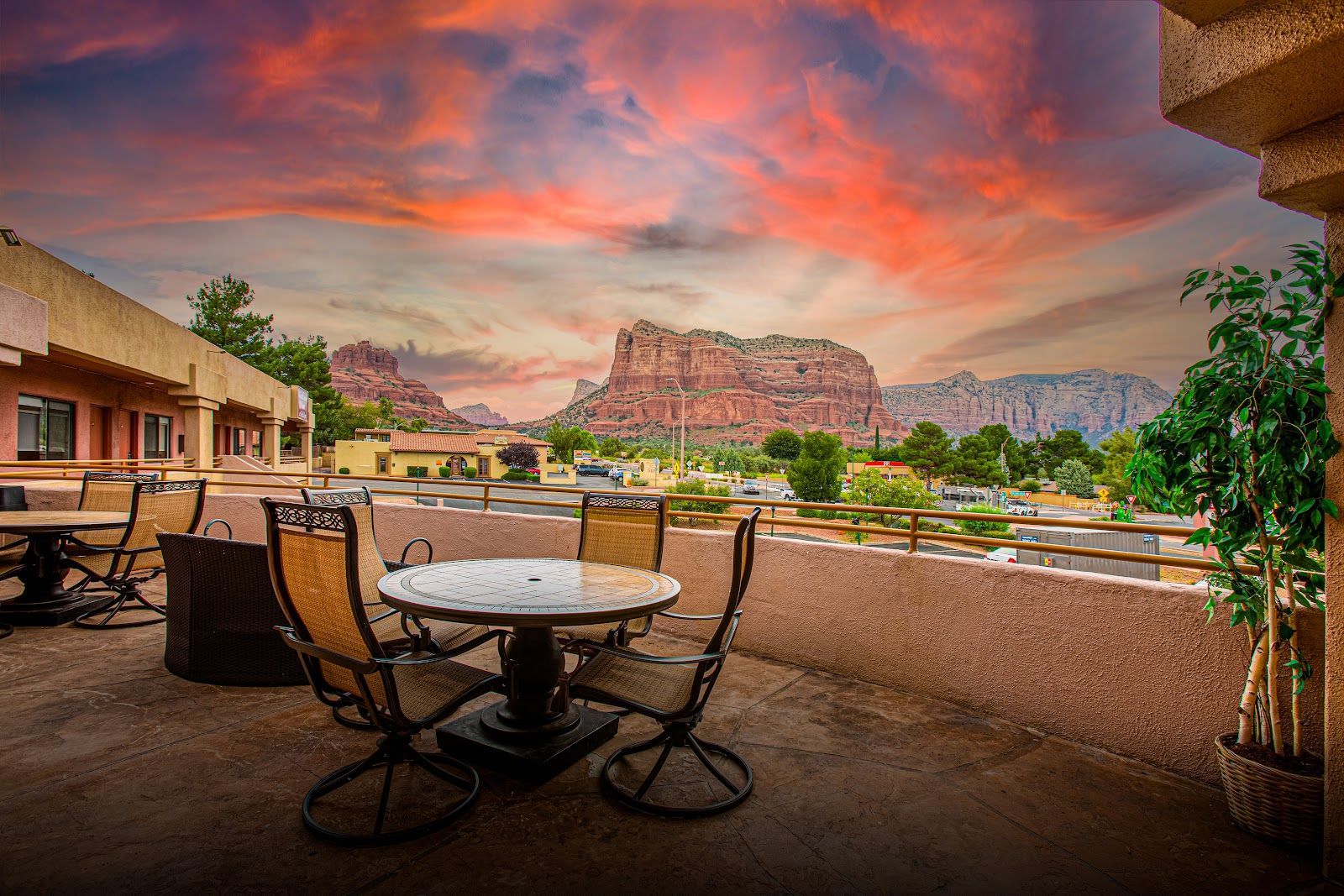
If you'd rather skip the parking-lot scramble, Bell Rock and the surrounding Courthouse Butte area do something Airport Mesa can't: you can watch the light change on them from a distance, without competing for one small overlook. Late afternoon is when Bell Rock's sandstone goes from tan to deep orange to almost red, and the crowds that pack the base trail at midday thin out fast in the last ninety minutes before dark (our full Bell Rock guide covers the hike itself, including how far most people can actually climb).
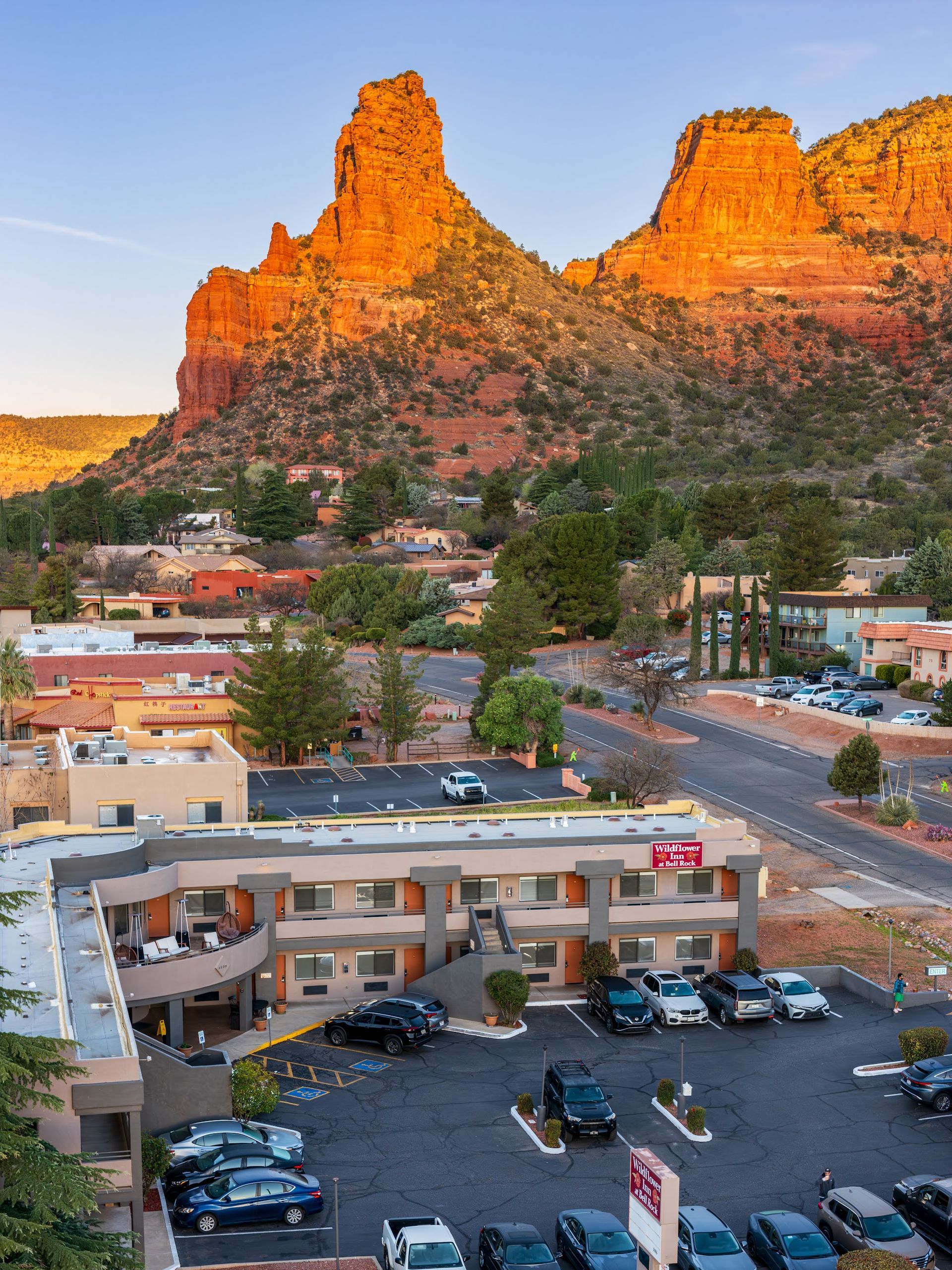
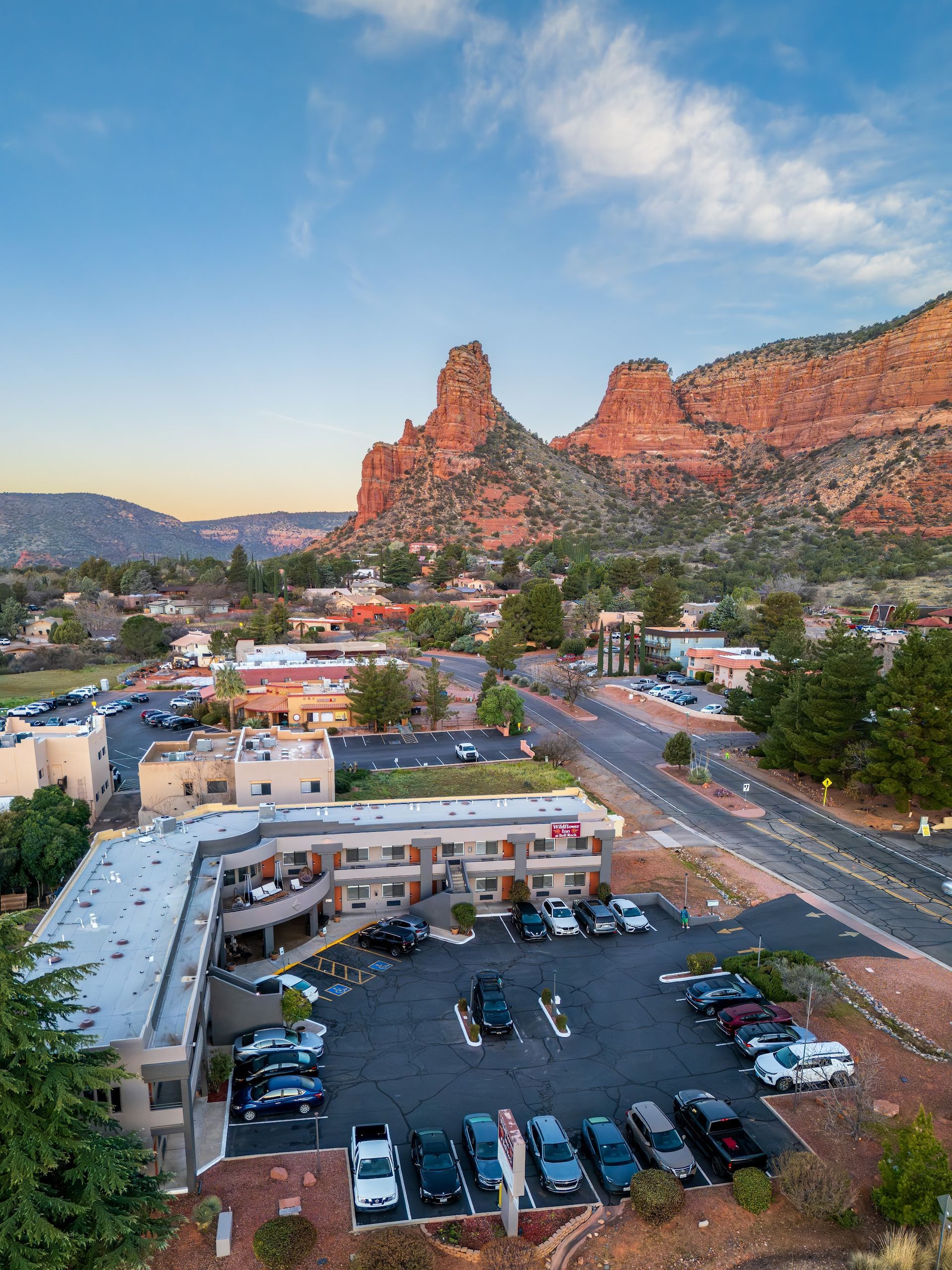
This is also the practical case for staying in the Village of Oak Creek instead of Uptown. Several Wildflower rooms and the shared outdoor spaces look straight at Bell Rock, so you get this sunset without driving anywhere.
Red Rock Crossing: the reflection shot
If you want Cathedral Rock in your sunset photo without hiking Cathedral Rock itself (that's its own trip, covered in our Cathedral Rock at Sunset guide), Red Rock Crossing at the Crescent Moon Picnic Site is the move. It's where Cathedral Rock reflects in Oak Creek, calm water and all, and it's an easy, flat walk from the parking area.
One timing note that trips people up: the site has seasonal gate hours, roughly 7 a.m. to 7 p.m. from April through September and earlier in fall and winter. In September, sunset runs late enough that you'll want to arrive well before the gate closes, not plan to linger until full dark. A day-use fee applies per vehicle.
Red Rock State Park: the sunset spot most people get wrong
This is the one that catches people out. Red Rock State Park has genuinely good overlooks along its trail system, and it looks, on paper, like an obvious sunset destination. But the park's standard hours run 8 a.m. to 5 p.m. with last entry at 4:30 p.m., which means on a normal day you'll be asked to leave well before the sun goes down, especially in September when sunset doesn't happen until nearly 6:30.
The workaround: from June through October, the park runs a scheduled "Sunset & Moonrise" program that keeps the gates open past normal closing specifically for this. If watching the sunset from inside the park is the plan, that program (booked ahead) is the only way to actually do it. Showing up at 4 p.m. hoping to catch golden hour on your own is the mistake to avoid here.
Merry Go Round Rock: the one with hardly anyone else there
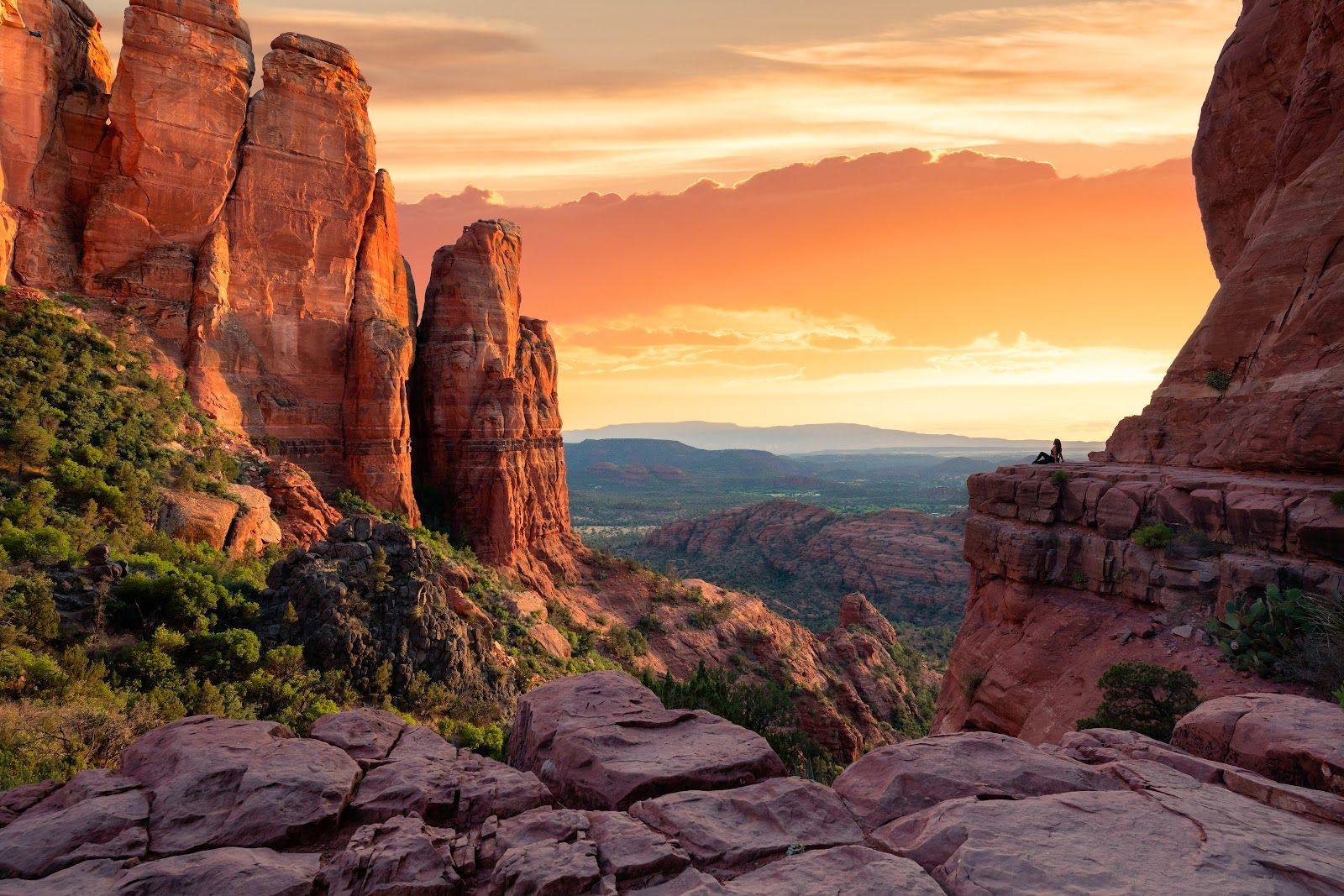
For a genuinely quiet option, Merry Go Round Rock sits off Schnebly Hill Road, reached by an easy 1.2-mile loop trail with sweeping views looking south across Sedona. The catch is access: Schnebly Hill Road requires a high-clearance vehicle (regular sedans and rental cars generally aren't built for it), which is exactly why this spot stays uncrowded while Airport Mesa fills up ten minutes down the road. If you've got the right vehicle or don't mind a slower drive, this is the sunset with room to actually sit down.
What comes after sunset
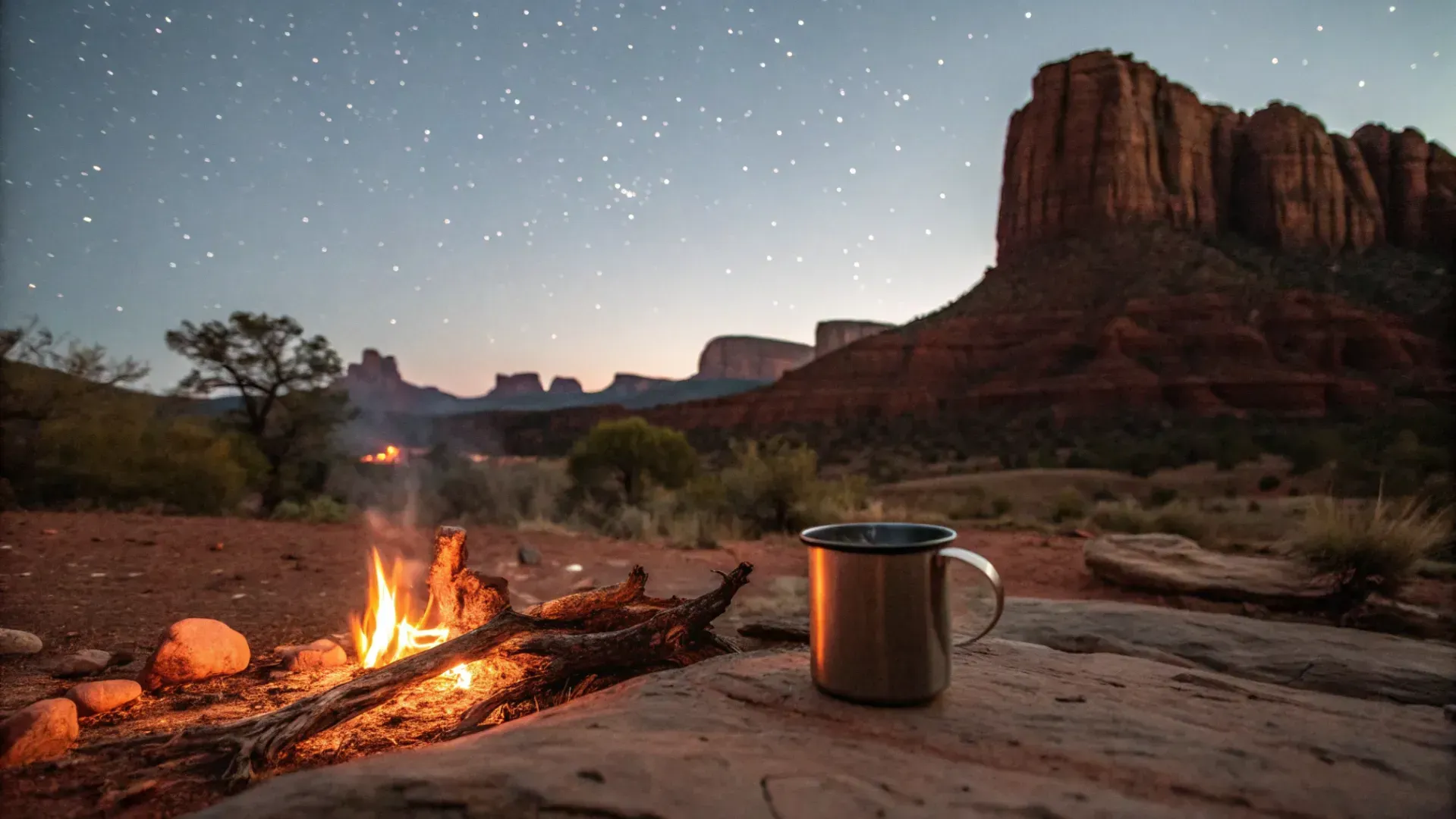
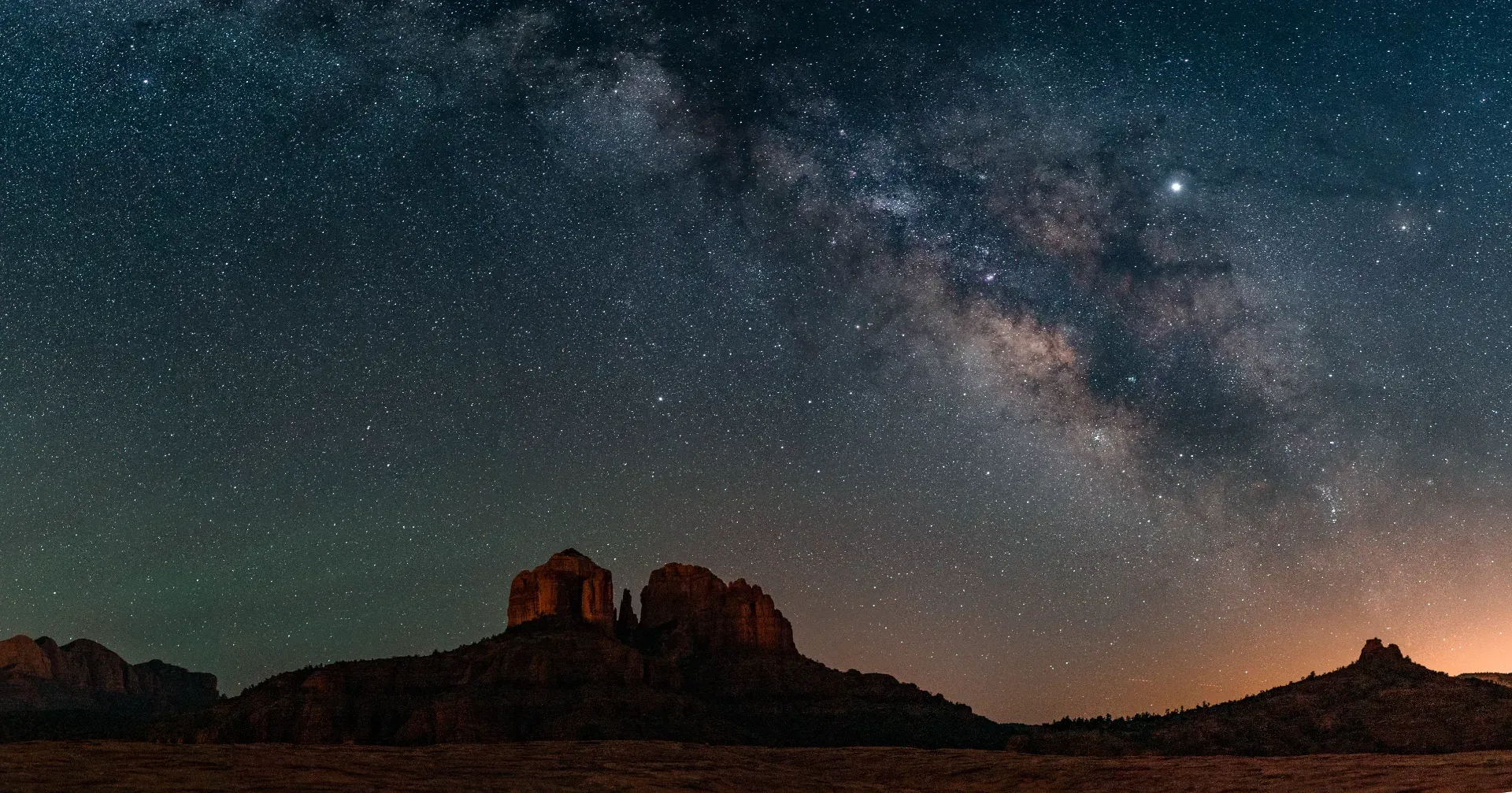
Once the color fades, Sedona has a second act. It became the world's eighth International Dark Sky Community in 2014, so a clear night here holds onto real stars long after most cities have washed theirs out. The nights worth staying up for are the ones near a new moon, when the sky is at its darkest; a full moon washes out all but the brightest stars.
October adds one more reason to stay outside: the Orionid meteor shower peaks in the predawn hours of October 21 to 22, 2026, and a new moon falls just two days before that peak, which means unusually dark skies for the show. If a deeper dive into where to actually post up for stargazing is useful, our guide to stargazing near Bell Rock covers the specific spots.
Pick your spot, then pick your base
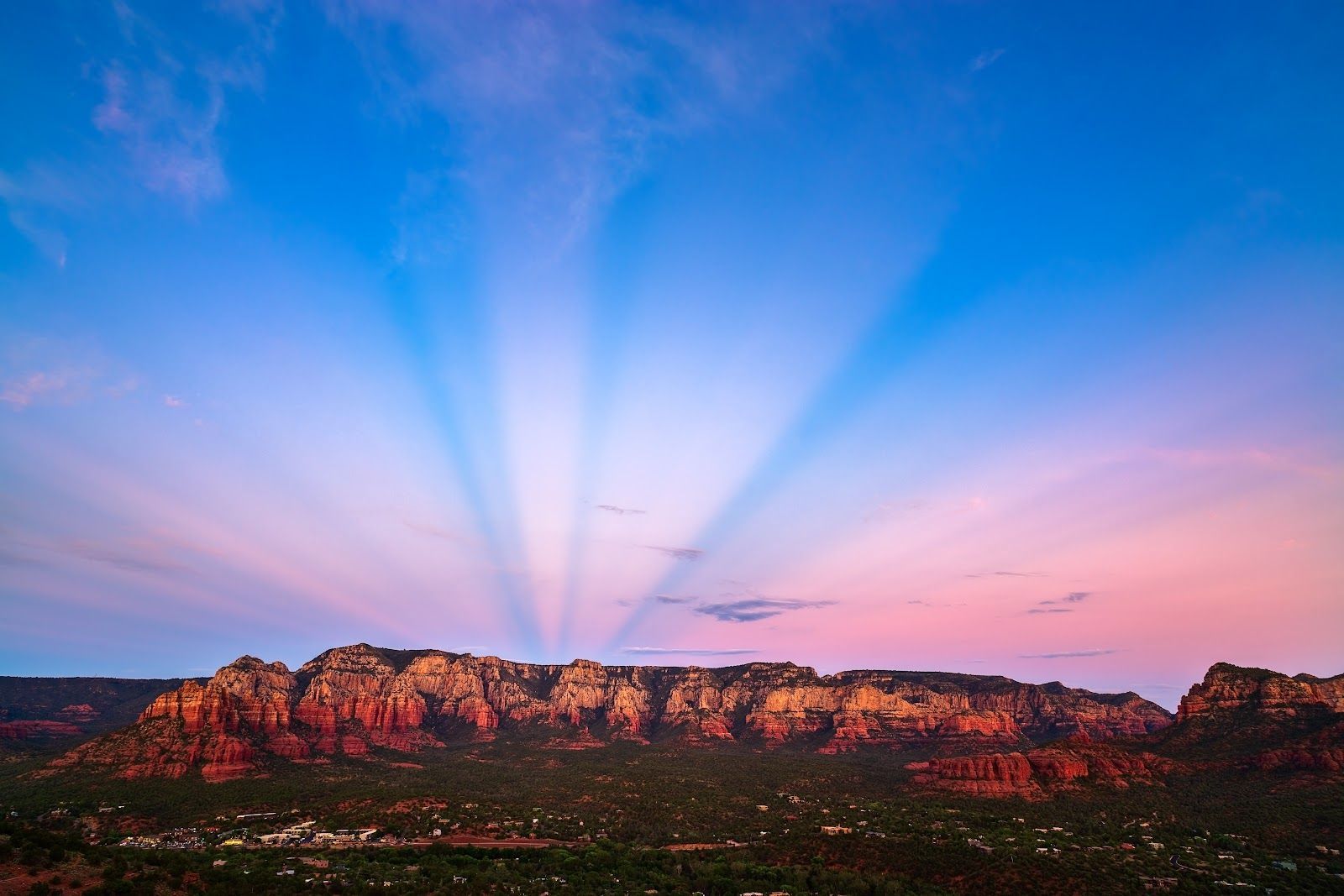
You don't need to choose just one of these. A trip that starts at Airport Mesa one evening and ends with the view from your own patio the next costs nothing extra in planning. Wildflower sits in the Village of Oak Creek with a direct line of sight to Bell Rock, walking distance to the trailheads that lead toward it, and enough distance from Uptown's traffic that getting to any of these spots on time isn't a fight against the clock. Several rooms are set up to watch the sunset without leaving the property, and the same dark skies that make the Orionids worth staying up for are visible right outside your door.