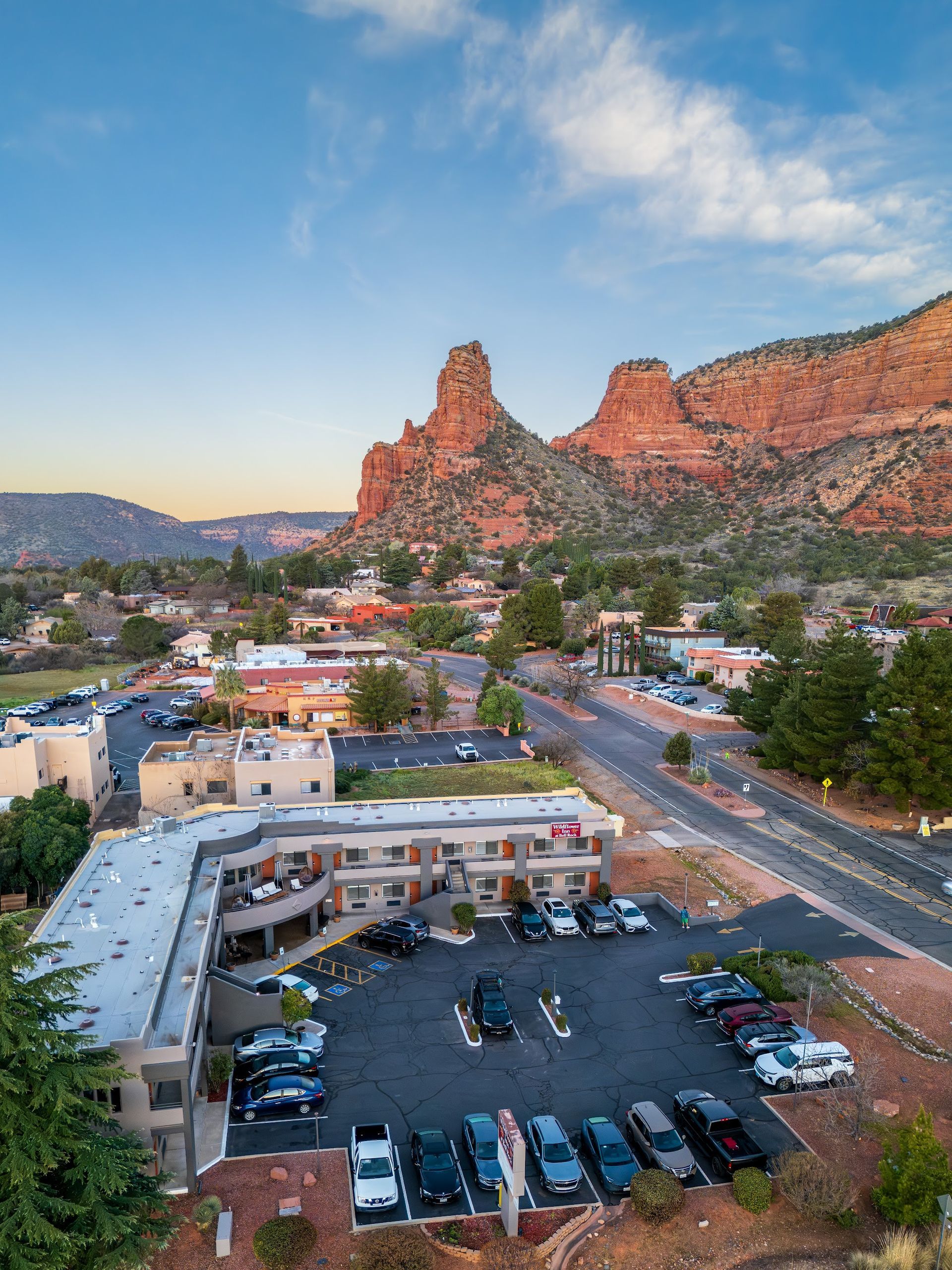

Halloween to the Geminids: Sedona's Night Sky, Night by Night
Taurid fireballs, the Leonids, the Beaver supermoon and the Geminids: the best dark nights to plan around this fall.
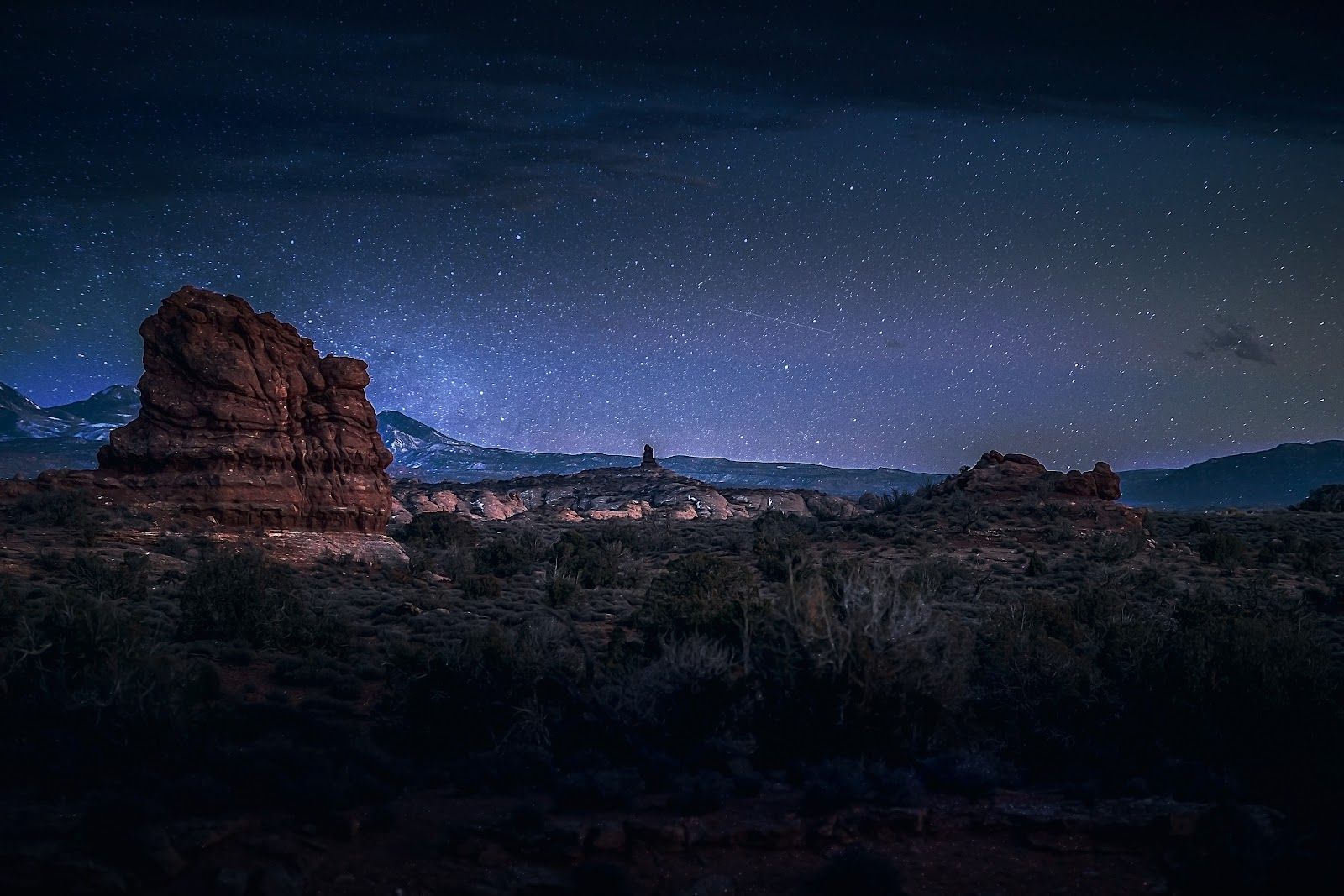
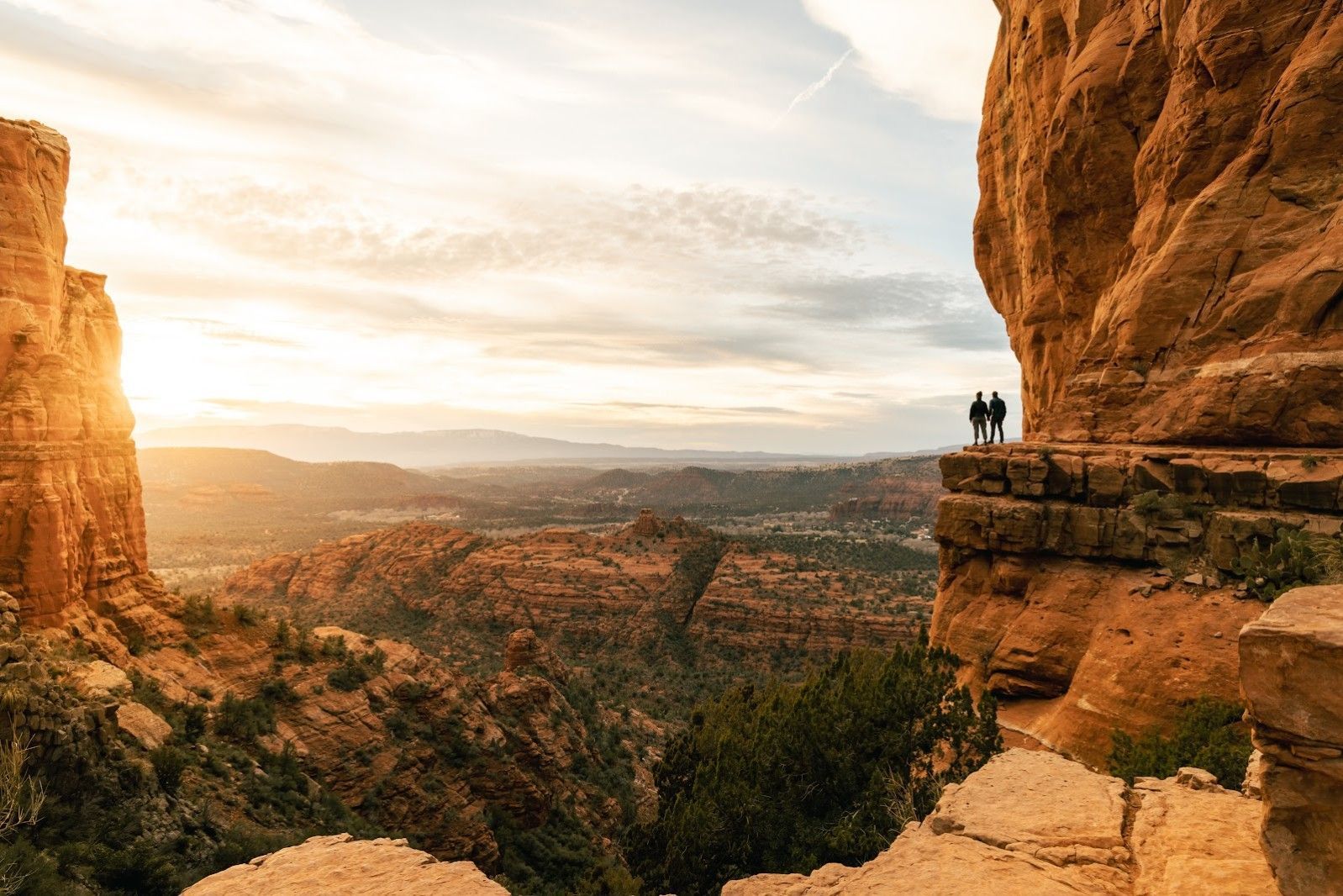
The best part of Halloween in Sedona might happen after the candy runs out. Between October 31 and mid-December, the Sedona night sky stacks up fireball meteors, a supermoon over the red rocks and the best meteor shower of the year, all above one of the darkest towns in the country. Here is what to look for, night by night, and which nights to plan a trip around.
Why Sedona's Night Sky Is Worth Planning Around
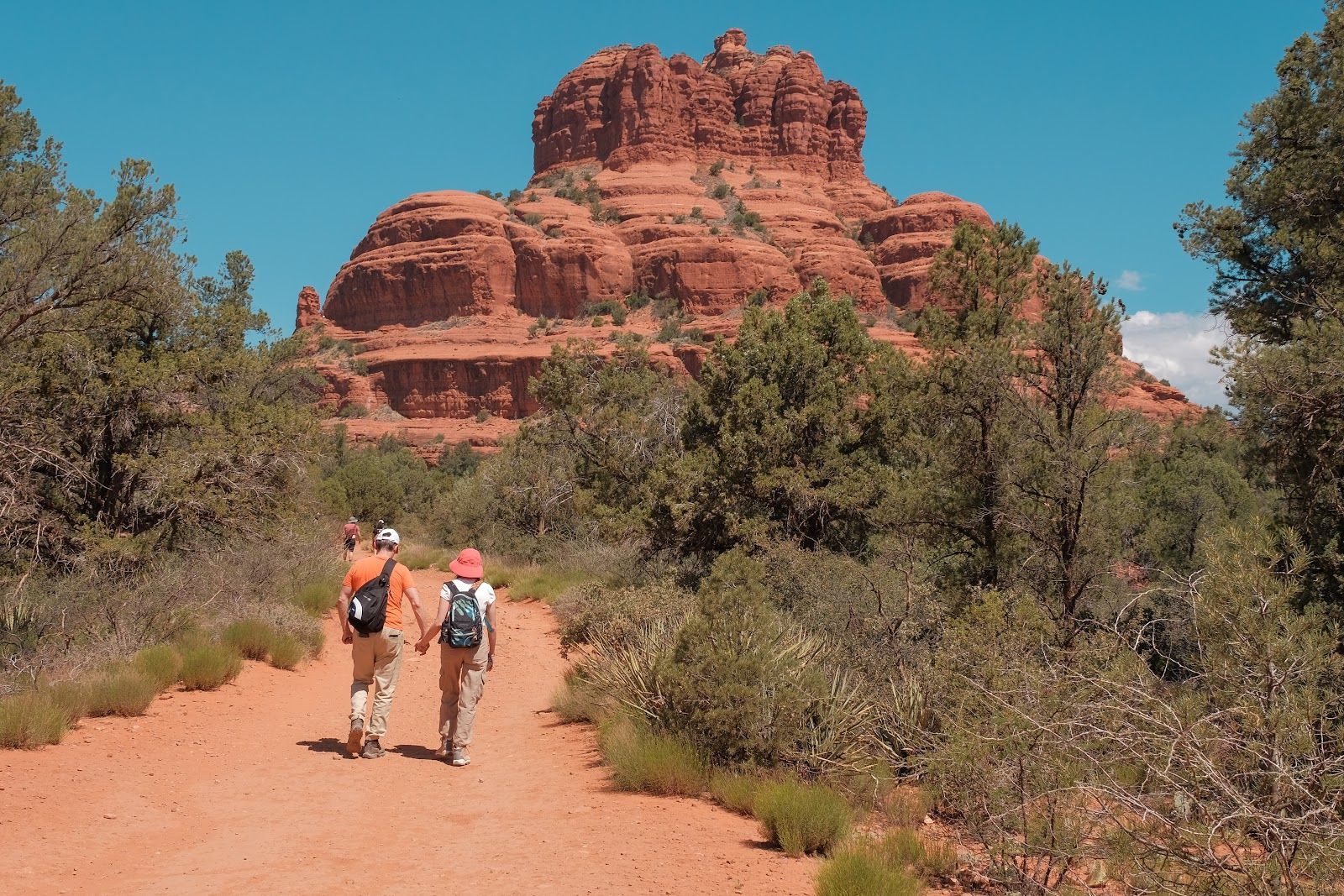
In 2014, Sedona became only the eighth place in the world named an International Dark Sky Community. The city's lighting rules keep streetlights shielded and low, so the stars start close to the edge of town. From the Village of Oak Creek, a short walk away from lit roads is often all you need. It's one reason Bell Rock is one of Sedona's best stargazing areas.
October 31: Halloween Under the Stars
Start early. Uptown's trick-or-treat runs 5 to 8 pm, and sunset is around 5:30 pm. By the time the kids are sorting candy, true dark has settled in.
Here is the useful part: the moon on Halloween 2026 is a waning gibbous that does not rise until later in the evening. That leaves a dark window after dusk. Look high in the east for the Great Square of Pegasus and the W shape of Cassiopeia, the classic fall constellations.
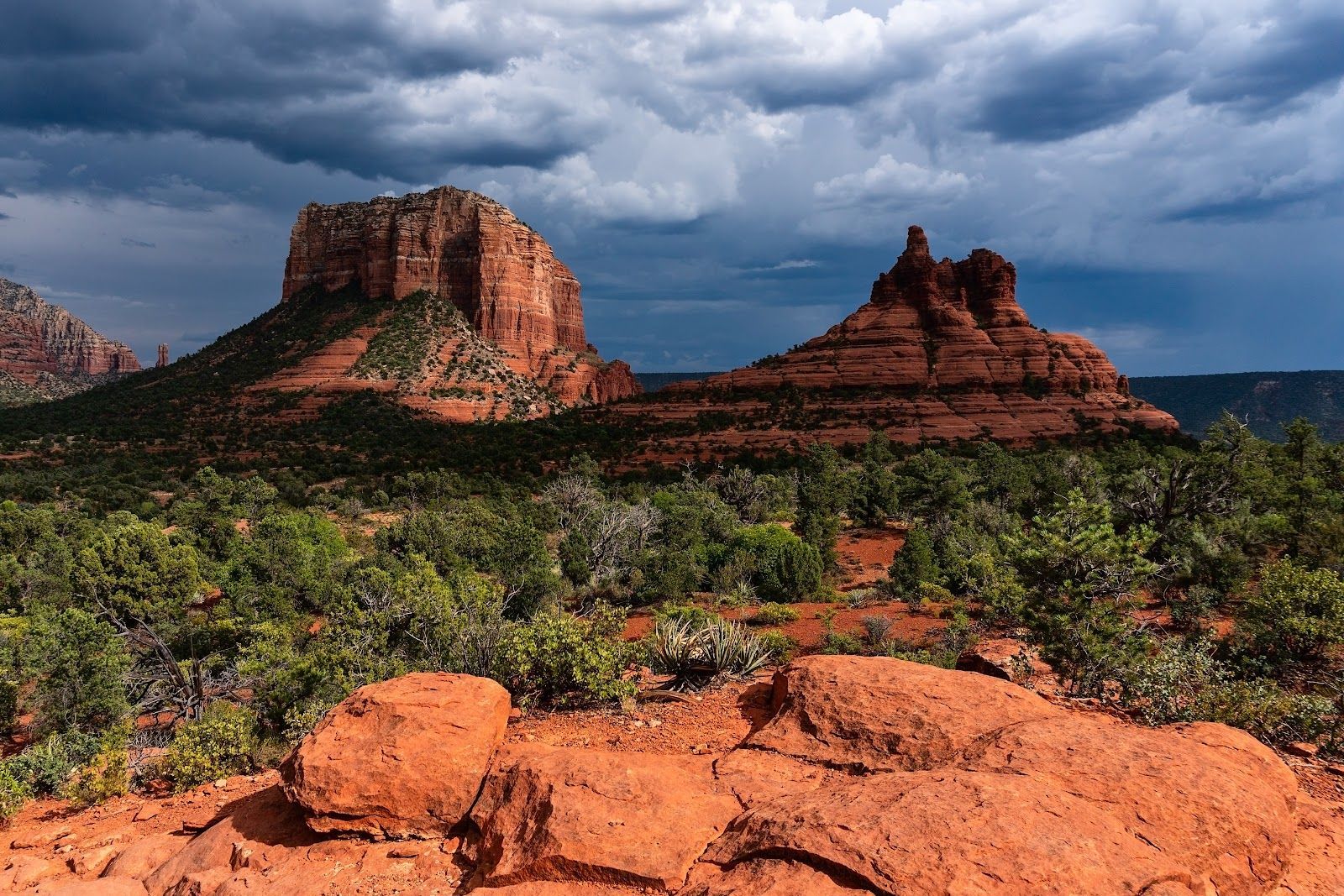
And keep one eye open for something unexpected. The Taurid meteor showers are active through Halloween, and they are known for slow, bright fireballs. There is no promise of one on October 31, but a fireball streaking over Bell Rock on Halloween night would be a pretty good trick.
November 4 to 12: Taurid Fireball Season
The Taurids come in two streams. The Southern Taurids peak on the night of November 4 to 5, under a thin waning crescent moon. The Northern Taurids peak November 11 to 12, when a young crescent moon sets early in the evening.
Don't expect a lot of meteors. The rates are low, only around five an hour. The reason to look is quality, not quantity: Taurids tend to be slow and bright, and a good one lights up the whole sky.
Best nights for full dark: new moon falls around November 8 to 9 in Arizona time. The few nights on either side are the darkest of the month.
November 17: The Leonids
The Leonids peak on the night of November 17 into the morning of November 18. Expect up to about 15 meteors an hour under a truly dark sky.
The Leonids are the fastest meteors of the year, quick streaks rather than slow glows. The half-lit moon sets before midnight, so the best viewing is after midnight until dawn. Set an alarm, grab a blanket and look up for an hour.
November 23 to 24: The Beaver Supermoon Over the Red Rocks
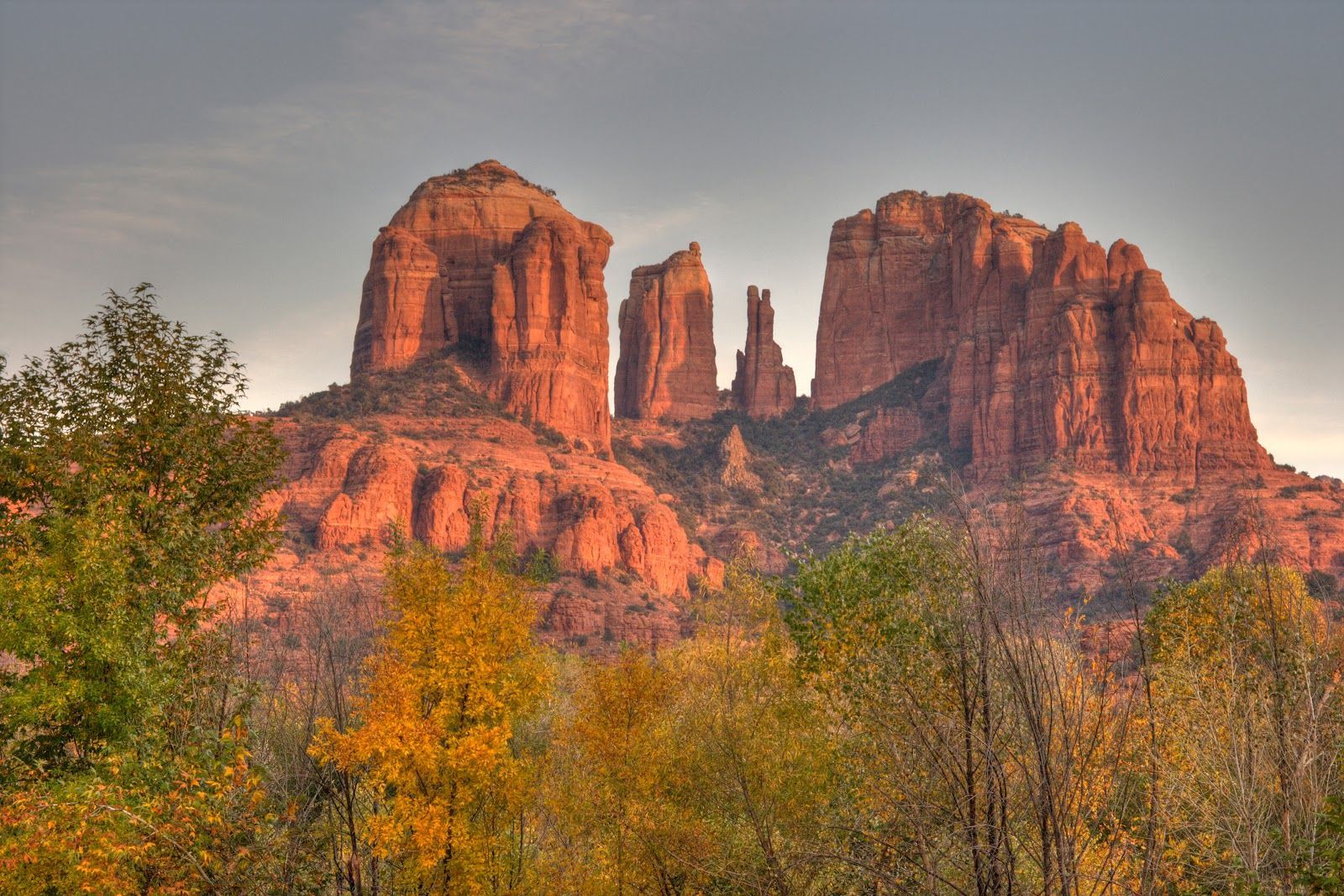
This is the one night on the calendar to skip the stars. A supermoon washes out faint objects, but that is not the point. The point is watching a huge moon climb out of the horizon just after sunset, with the red rocks still glowing in the last light.
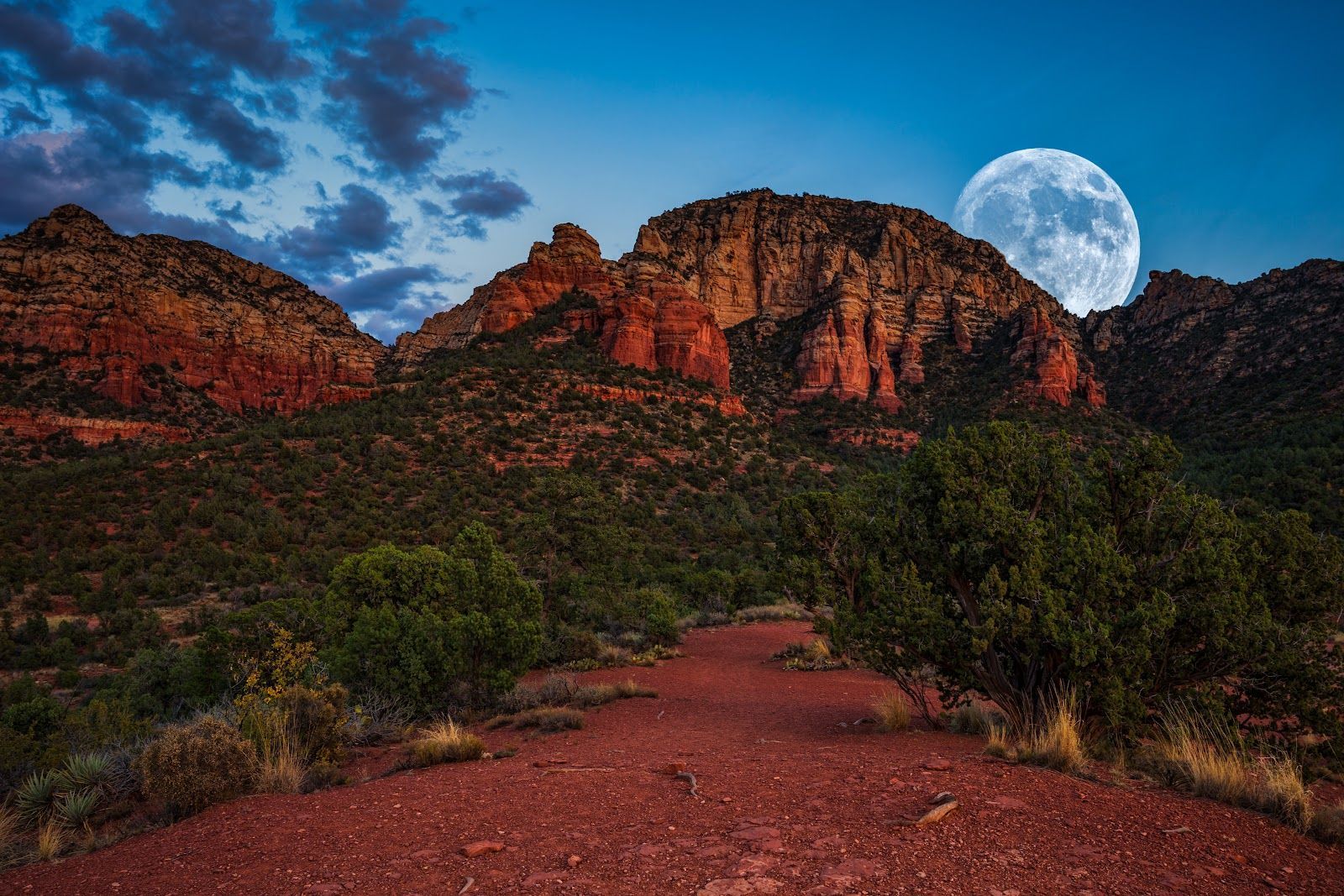
Find a spot with an open view to the east and arrive before moonrise. The first few minutes, when the moon looks biggest and most orange, are the ones worth being there for.
December 13 to 14: The Geminids, the Best Show of the Year
Save your best night for last. The Geminids are the strongest annual meteor shower in the Northern Hemisphere, with up to 120 meteors an hour under perfect skies. And 2026 is a good year: a thin crescent moon sets early, leaving the rest of the night dark.
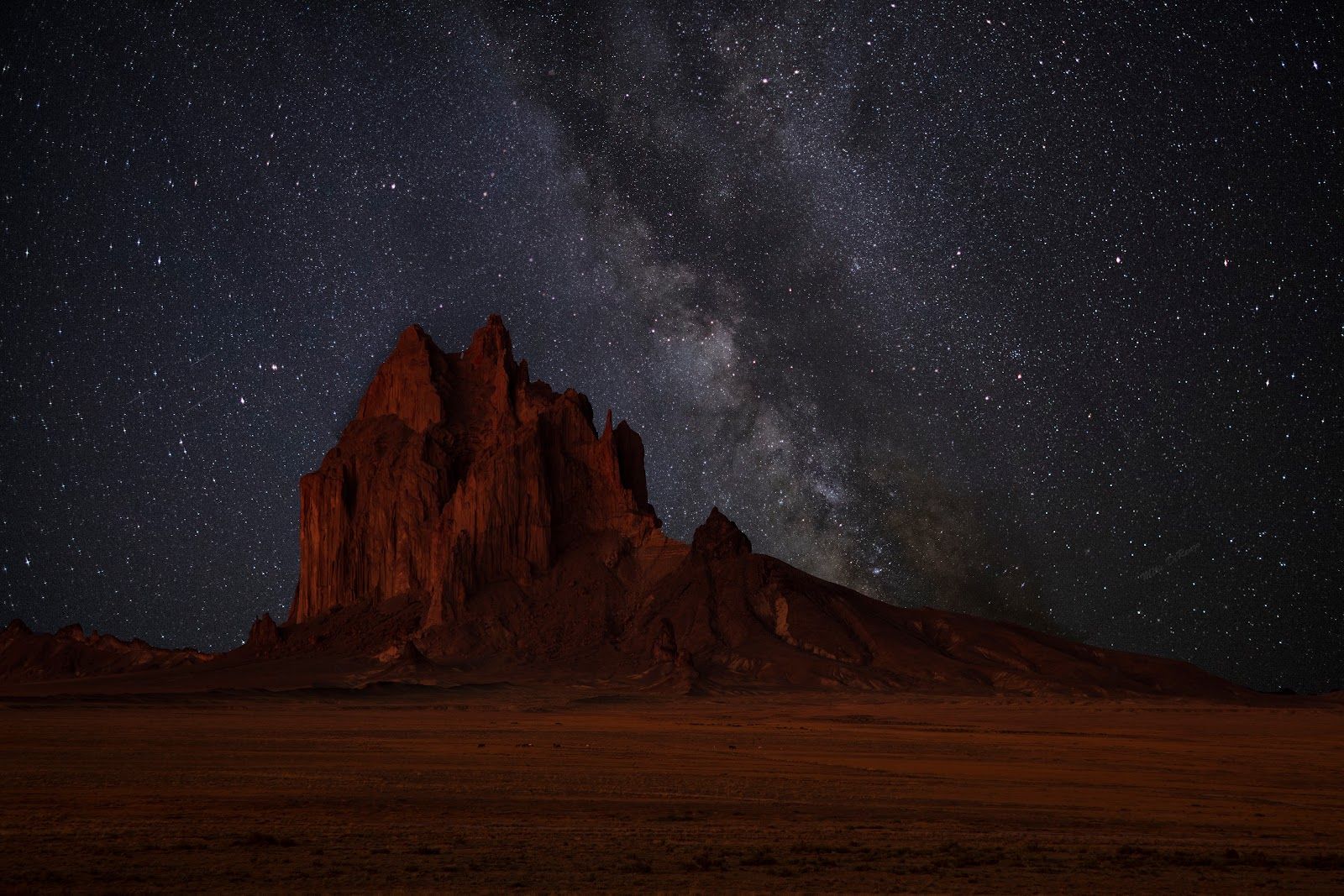
Unlike most showers, the Geminids are worth watching before midnight too, since the radiant rises in mid-evening. You can start after dinner and keep going as long as you can stand the cold.
Dress for it. December nights in Sedona drop well below freezing. Layers, a hat and something warm to lie on make the difference between ten minutes and two hours.
How to Watch From Sedona
- Let your eyes adjust. Give it 20 to 30 minutes with no phone screens. Use a red light if you need one.
- Face away from town glow. From the Village of Oak Creek, the darkest views are usually away from the SR 179 corridor.
- Skip the telescope for meteors. Your eyes and a reclining chair are the best tools.
- Check the weather, not just the calendar. A clear night beats a perfect date under clouds.
Planning around more than the sky? See the best time to visit Sedona and our guide to Sedona after dark.
Your Dark-Sky Basecamp at Bell Rock
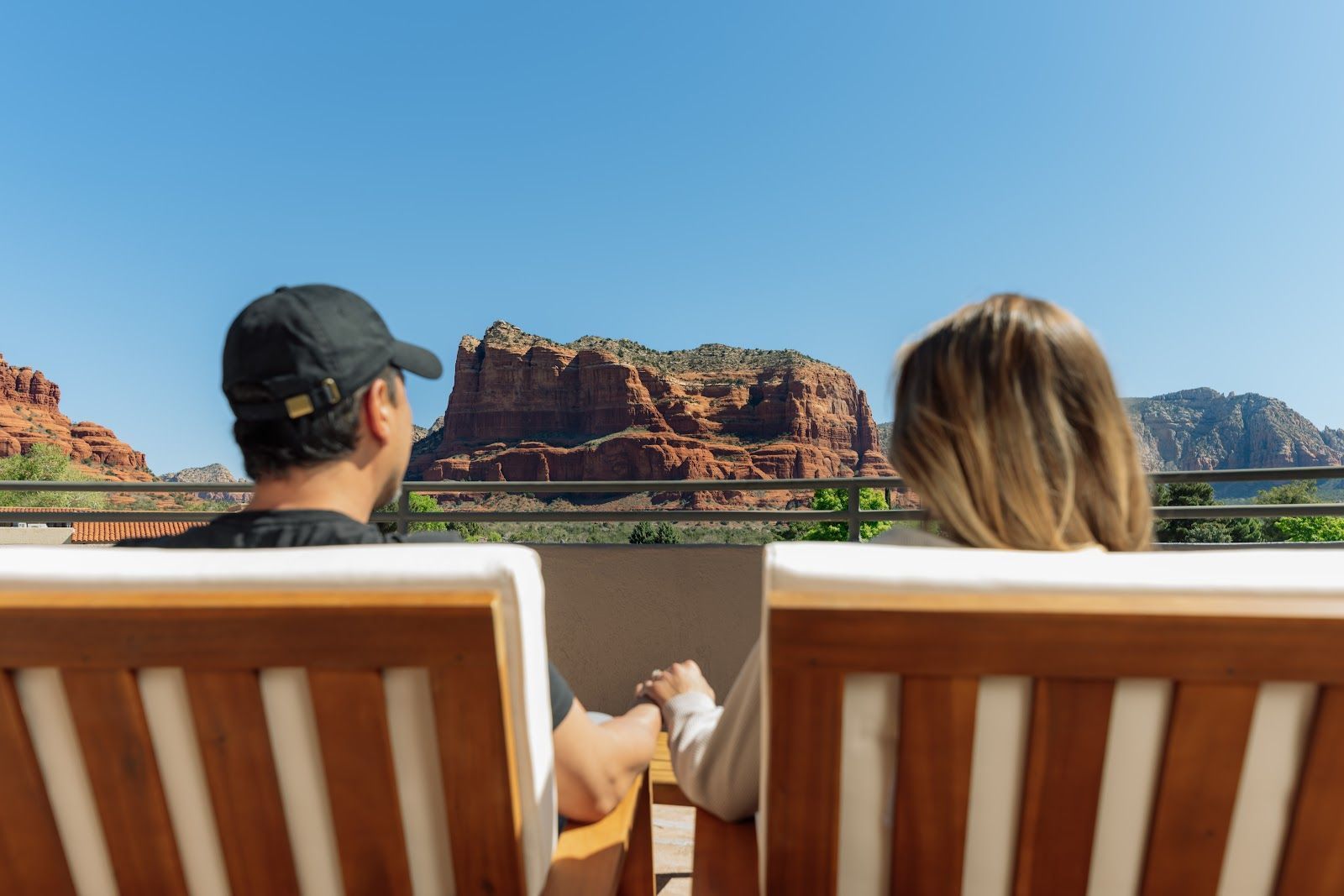
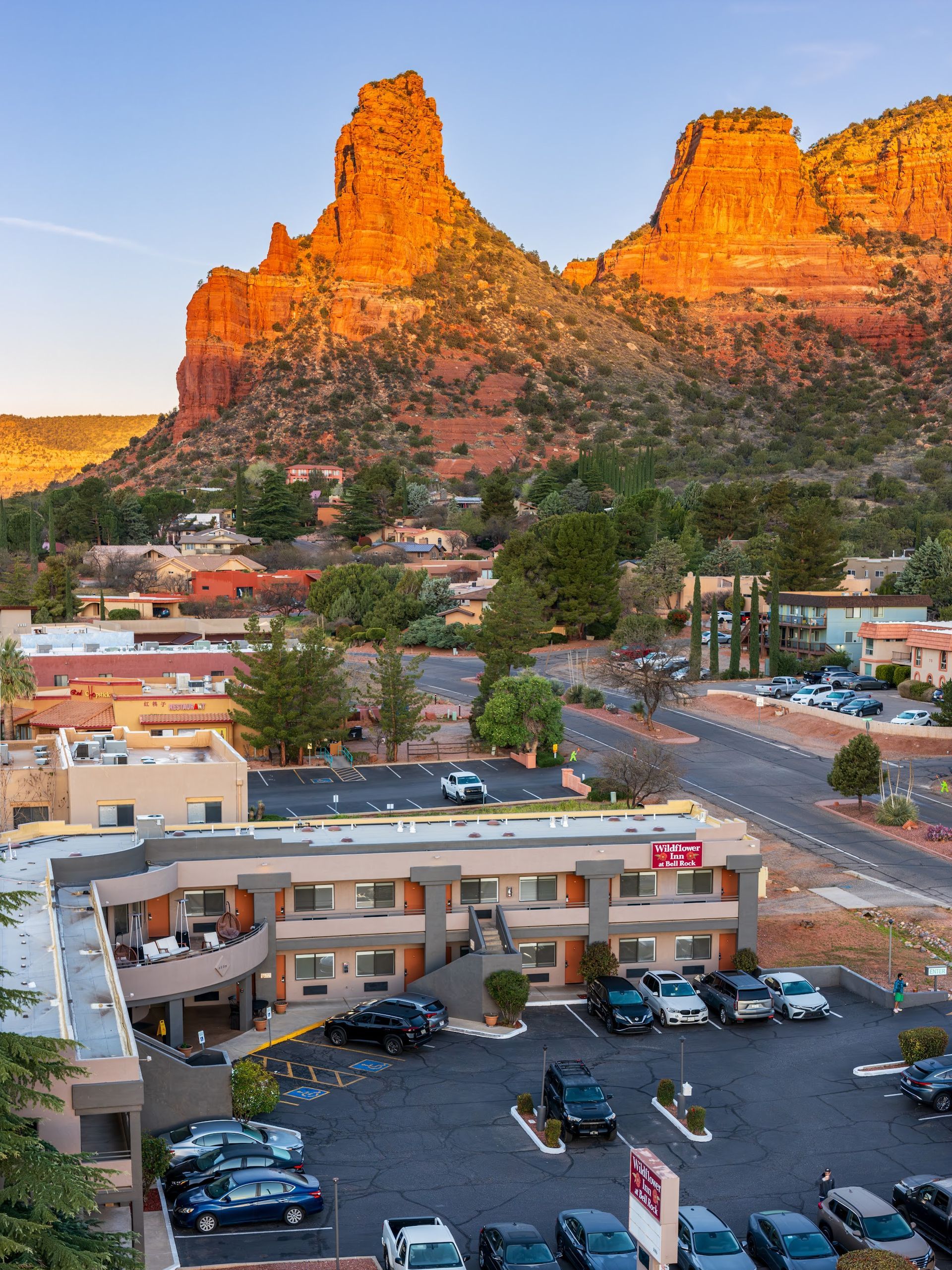
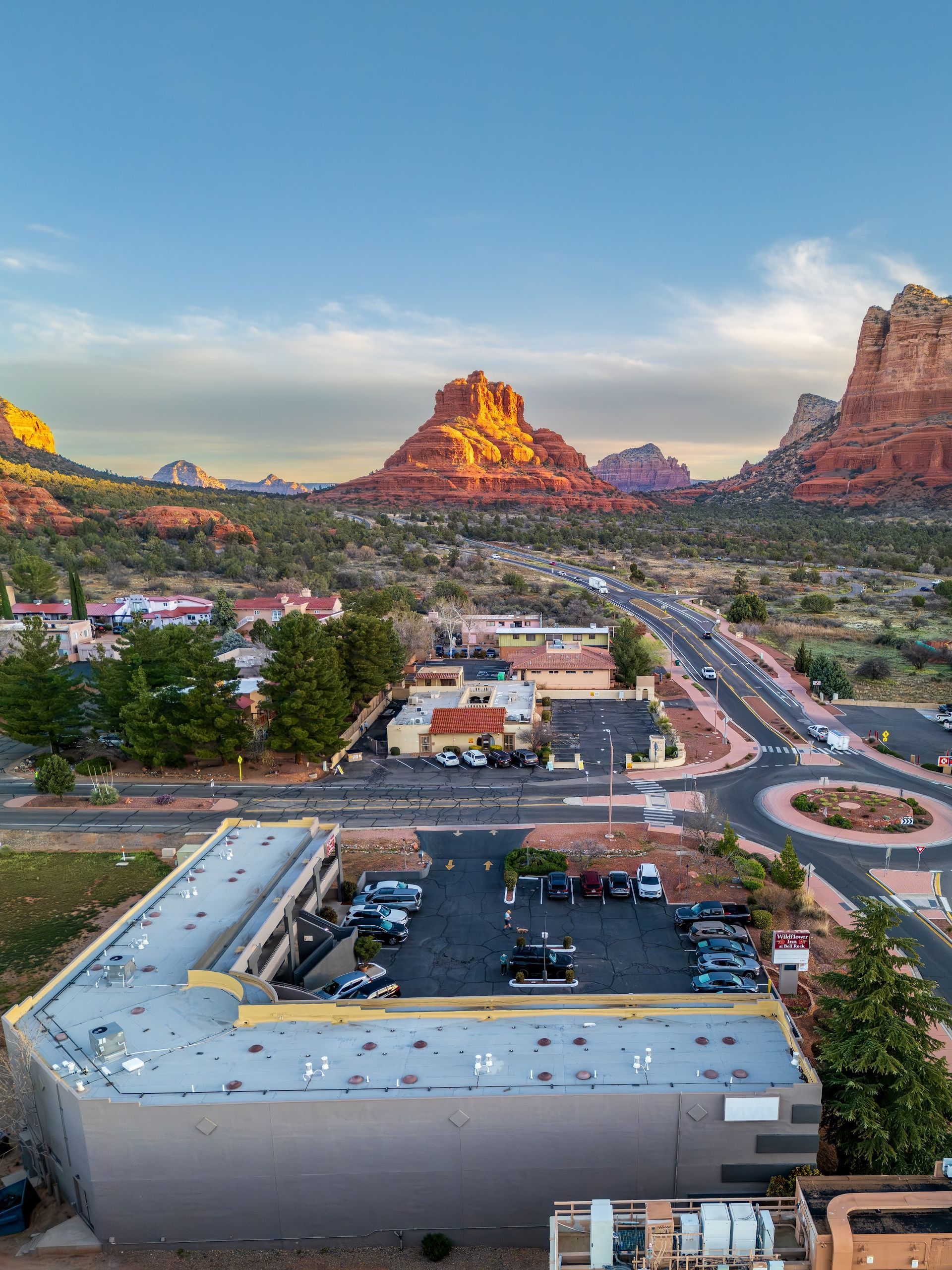
The easiest stargazing trip is the one where you don't have to drive home afterward. Wildflower Inn sits in the Village of Oak Creek, away from Uptown's lights and traffic, with dark skies you can see from the property. Spend the day on the trails, have dinner on-site, then step outside when the sky goes dark. For the Leonids or Geminids, that means you can watch past midnight and be back in a warm room in minutes.