
West Fork Trail: Worth It in March? Here’s the Honest Take
Wildflower Inn | Bell Rock Basecamp
West Fork is one of Sedona’s most photographed hikes. Towering canyon walls. Seasonal creek crossings. Autumn color fame.
But what about March?
If you’re visiting in spring and wondering whether it’s worth the drive from Bell Rock, here’s the clear, no-fluff answer.
First: Understand What West Fork Actually Is
West Fork is not red rock slickrock.
It’s a shaded canyon hike located off Oak Creek Canyon, about 25–30 minutes from the Village of Oak Creek. The terrain is flatter than Bell Rock, with multiple shallow creek crossings and dense tree cover.
It’s known for:
- Fall foliage
- Cooler summer hiking
- Dramatic canyon walls
- Water access
In March, the experience is different.
The Honest Pros of West Fork in March
1. Cooler Temperatures
March mornings can be crisp. West Fork stays cooler than Bell Rock because of the tree cover and canyon shade. If you hit an unexpectedly warm spring day, this trail offers relief.
2. Fewer Fall Crowds
It’s busy in autumn. In March, it’s active — especially during Spring Break — but not peak-level chaos like October weekends.
3. Flowing Water
Snowmelt from higher elevations can increase creek flow in early spring. The crossings feel lively and scenic.
If you like the sound of water and enclosed canyon hiking, March delivers atmosphere.
The Honest Cons (That Most Blogs Skip)
1. It’s Not Peak Scenic Season
West Fork’s dramatic reputation comes from fall color. In March, trees are mostly bare. You get canyon structure and water, but not vibrant foliage.
If you’re expecting postcard autumn visuals, you will be underwhelmed.
2. The Water Is Cold
Those creek crossings? Cold. Snowmelt cold.
You will either:
- Carefully rock-hop
- Get damp
- Or fully wet if you misstep
Bring waterproof shoes or expect numb toes.
3. It’s a Drive
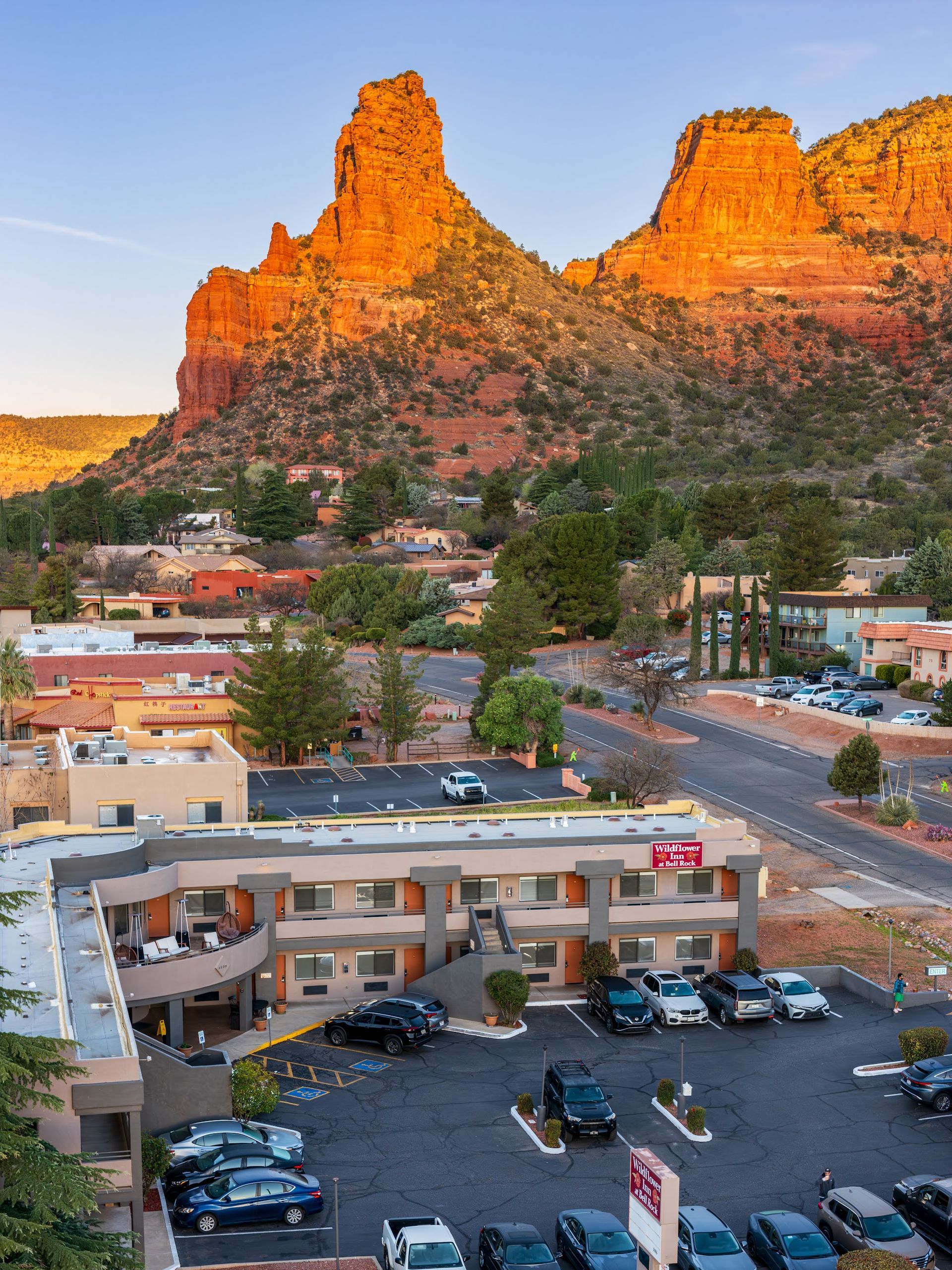
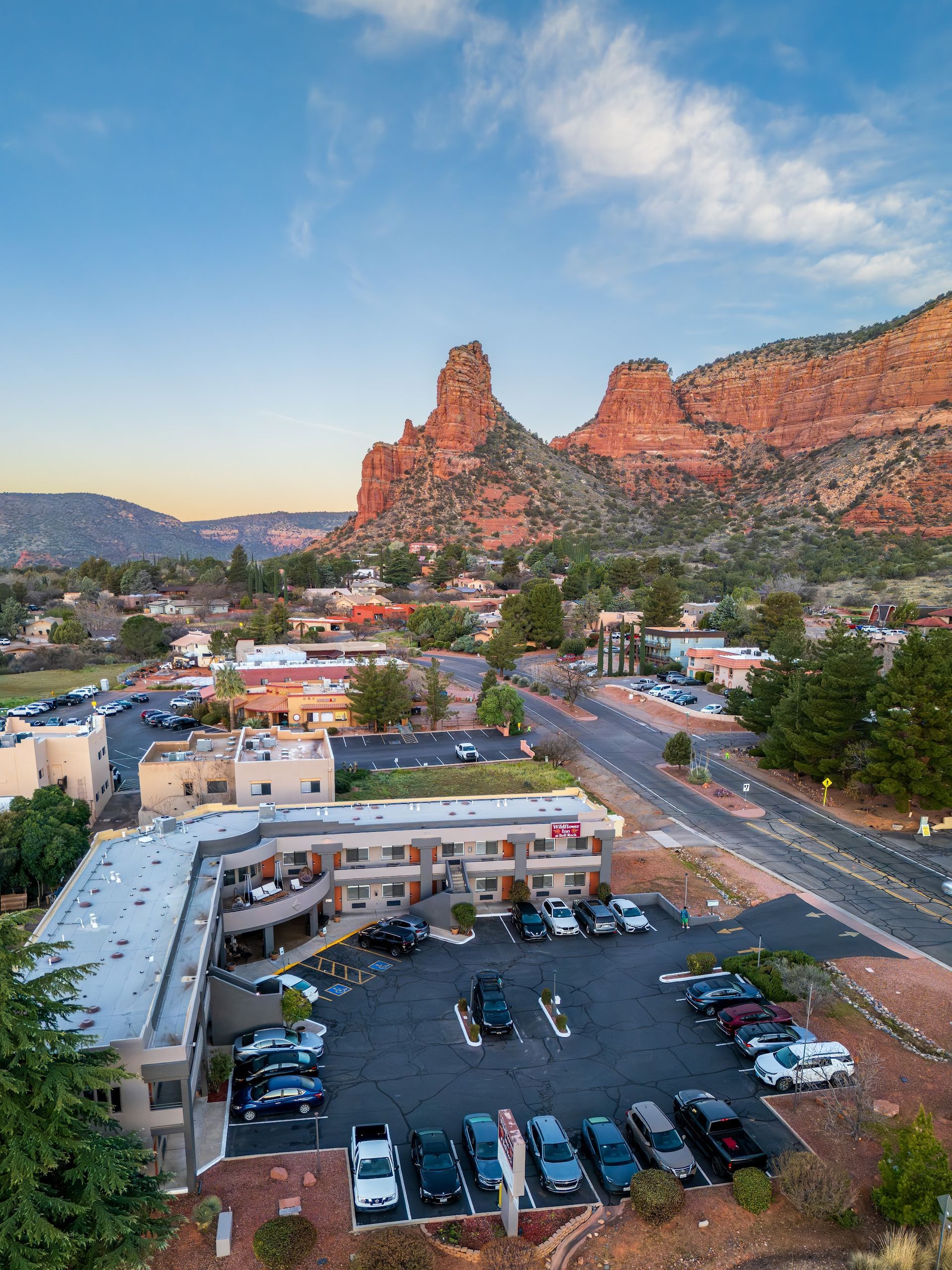
From Wildflower Inn near Bell Rock, you are leaving prime red rock territory to spend half a day in Oak Creek Canyon. That’s not inherently bad — but it’s a tradeoff.
You are giving up sunrise access at Bell Rock for a later canyon start.
Who West Fork Is Great For in March
West Fork makes sense if:
- You want shade
- You prefer flatter terrain
- You enjoy water features
- You are staying multiple nights and want variety
- You’re hiking with someone who doesn’t love exposed slickrock
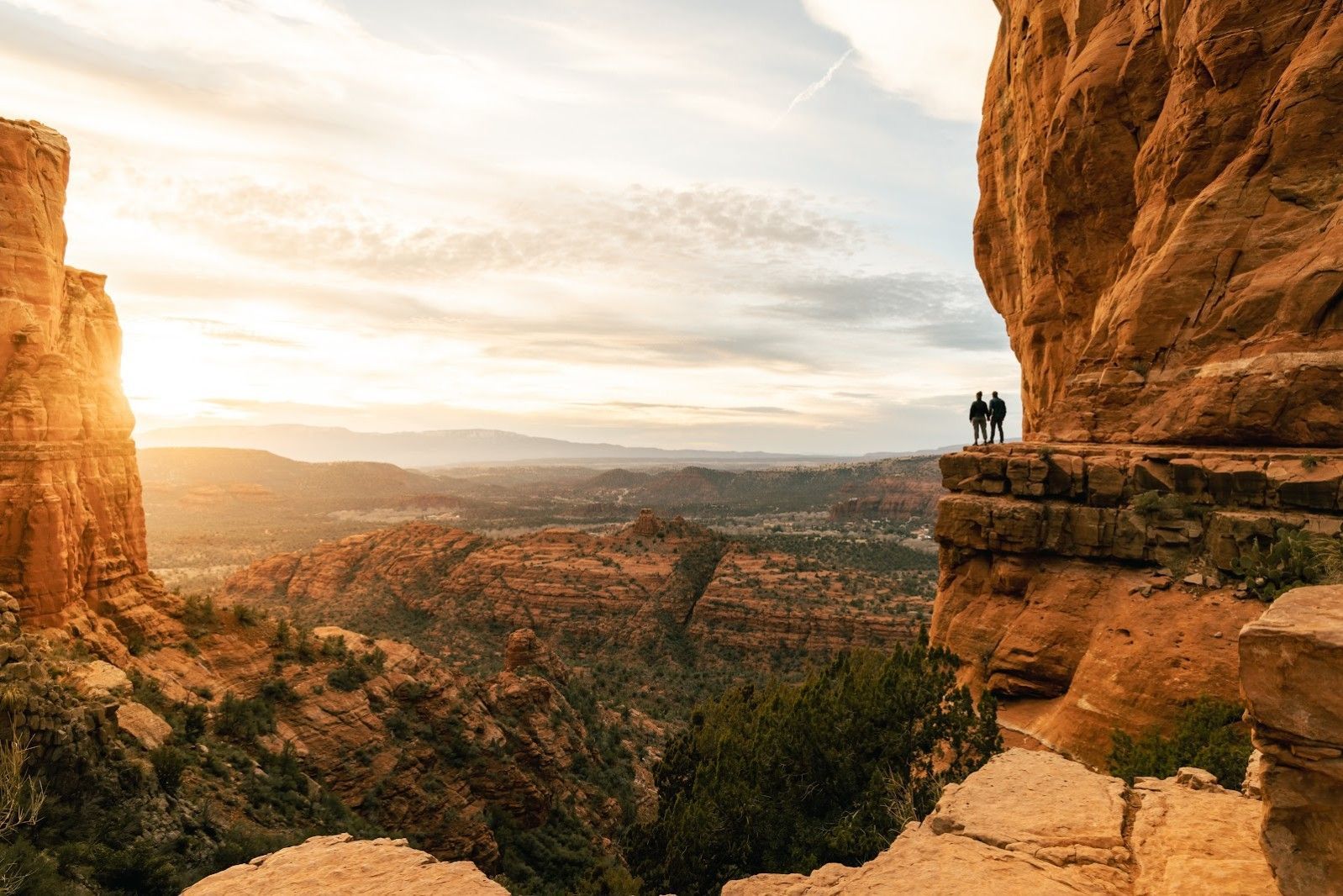
It is especially good for visitors who already explored Bell Rock and Cathedral Rock and want a change in landscape.
Who Should Skip It
You might skip West Fork in March if:
- You are only in Sedona for 1–2 nights
- You want classic red rock panoramas
- You’re chasing sunrise glow
- You don’t want wet feet
- You’re traveling with dogs that dislike water crossings
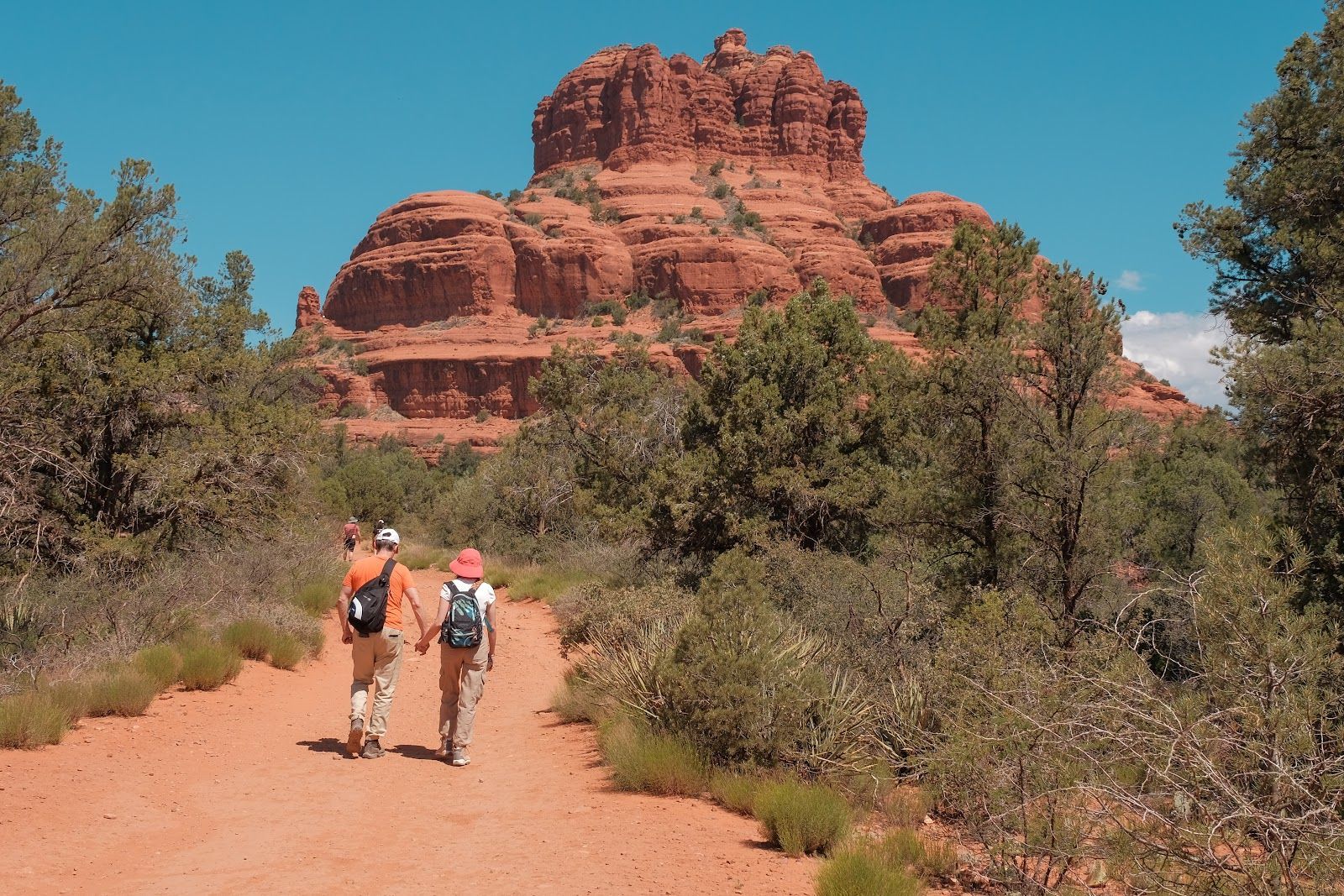
If time is limited, Bell Rock, Courthouse Butte, or Chapel area viewpoints deliver more iconic Sedona per hour invested.
The Smart Strategy (If You Go)
If you decide to hike West Fork in March:
- Arrive early (before 9:00 AM during Spring Break)
- Wear waterproof or quick-dry footwear
- Bring extra socks
- Pack layers (canyon shade stays cool)
- Budget 3–4 hours for a relaxed out-and-back
The full trail stretches about 6.5 miles round trip, but many visitors turn around earlier once they’ve experienced the canyon.
The Wildflower Take
Here’s the straightforward perspective:
West Fork in March is good.
It is not Sedona’s most iconic spring experience.
If this is your first visit and you’re staying at Wildflower Inn, maximize Bell Rock at sunrise, explore Courthouse Butte, and take advantage of the proximity you have. Those open red rock views are why people come here.
Add West Fork if you have extra time and want contrast.
Final Verdict
Worth it in March?
Yes — if you want variety and shade.
No — if you are chasing peak Sedona visuals.
Sedona rewards smart positioning. From Wildflower Inn, you are already minutes from some of the most photogenic terrain in Arizona.
Start there. Then decide if you want the canyon detour.
Book direct. Hike early. Choose your terrain wisely.