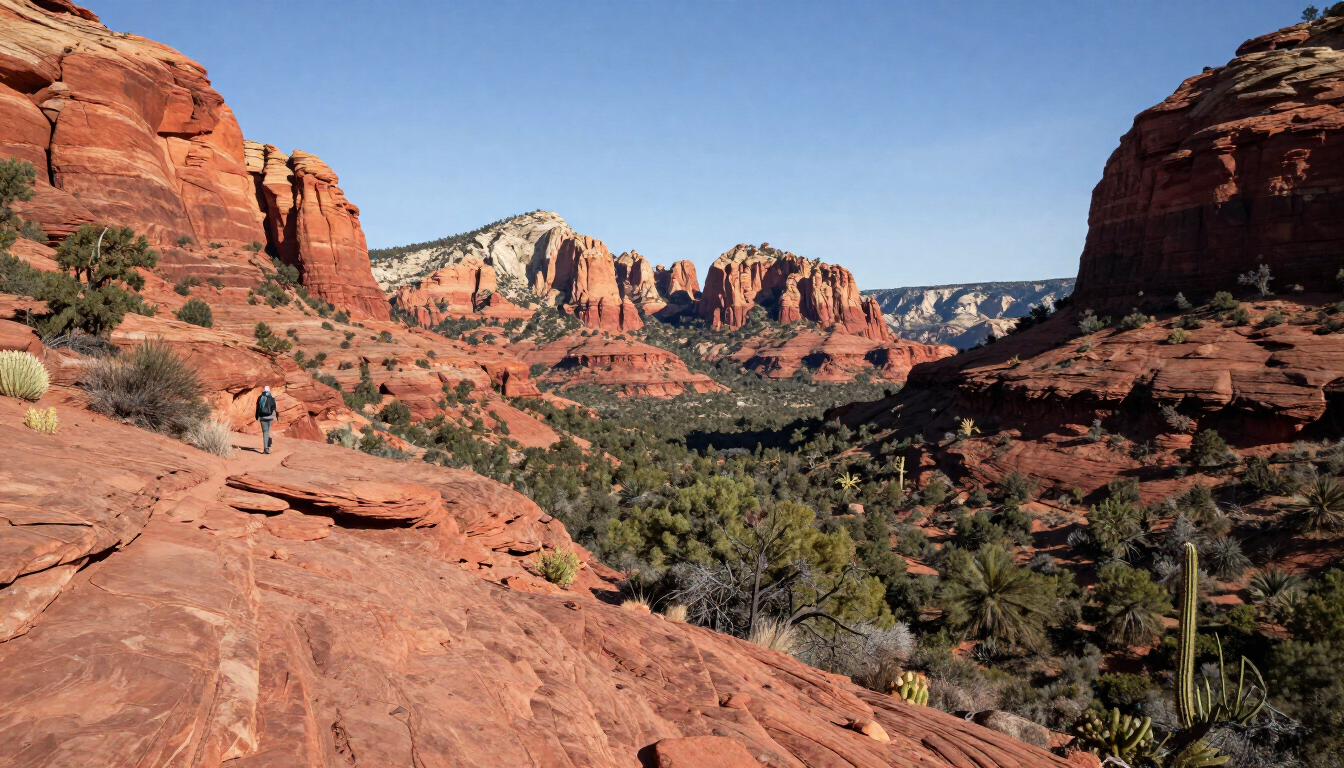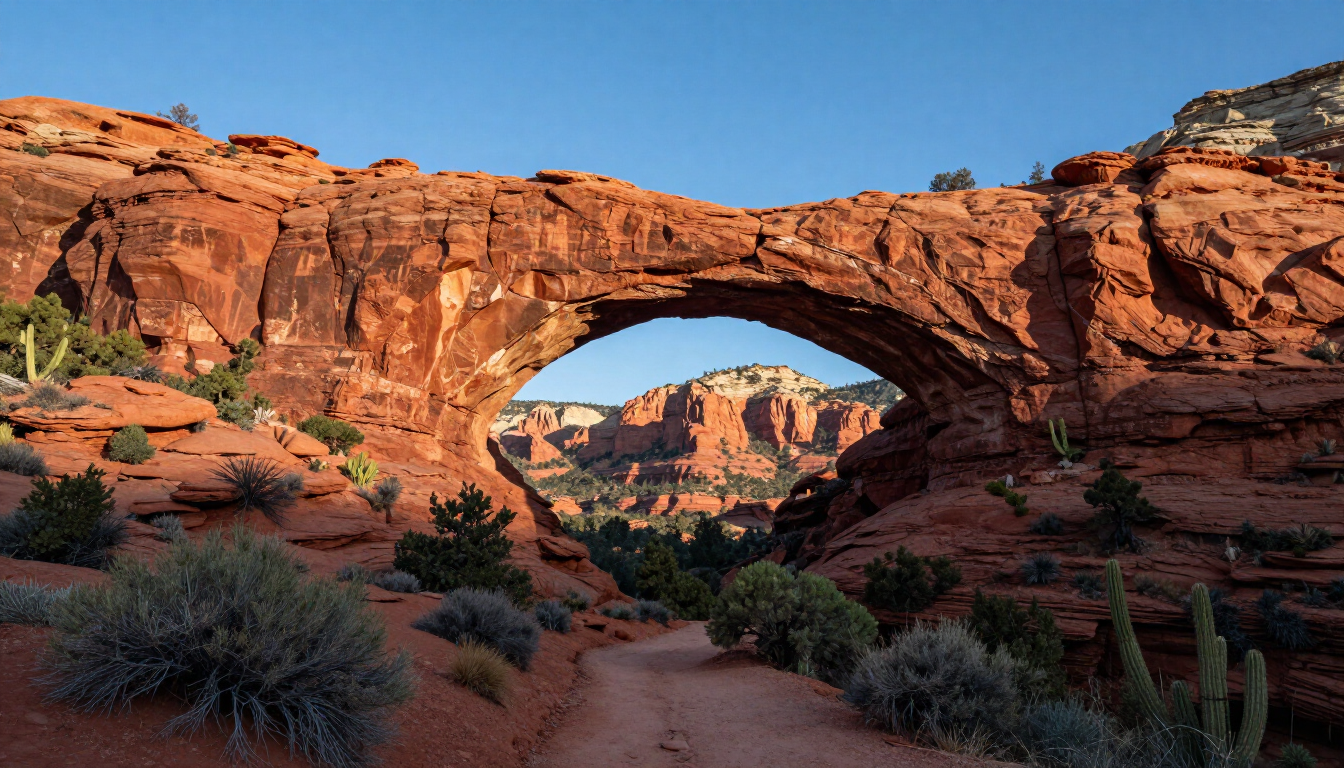

Chapel of the Holy Cross Guide: A must visit Sedona landmark
Sarah Jensen • May 6, 2026
The body content of your post goes here. To edit this text, click on it and delete this default text and start typing your own or paste your own from a different source.

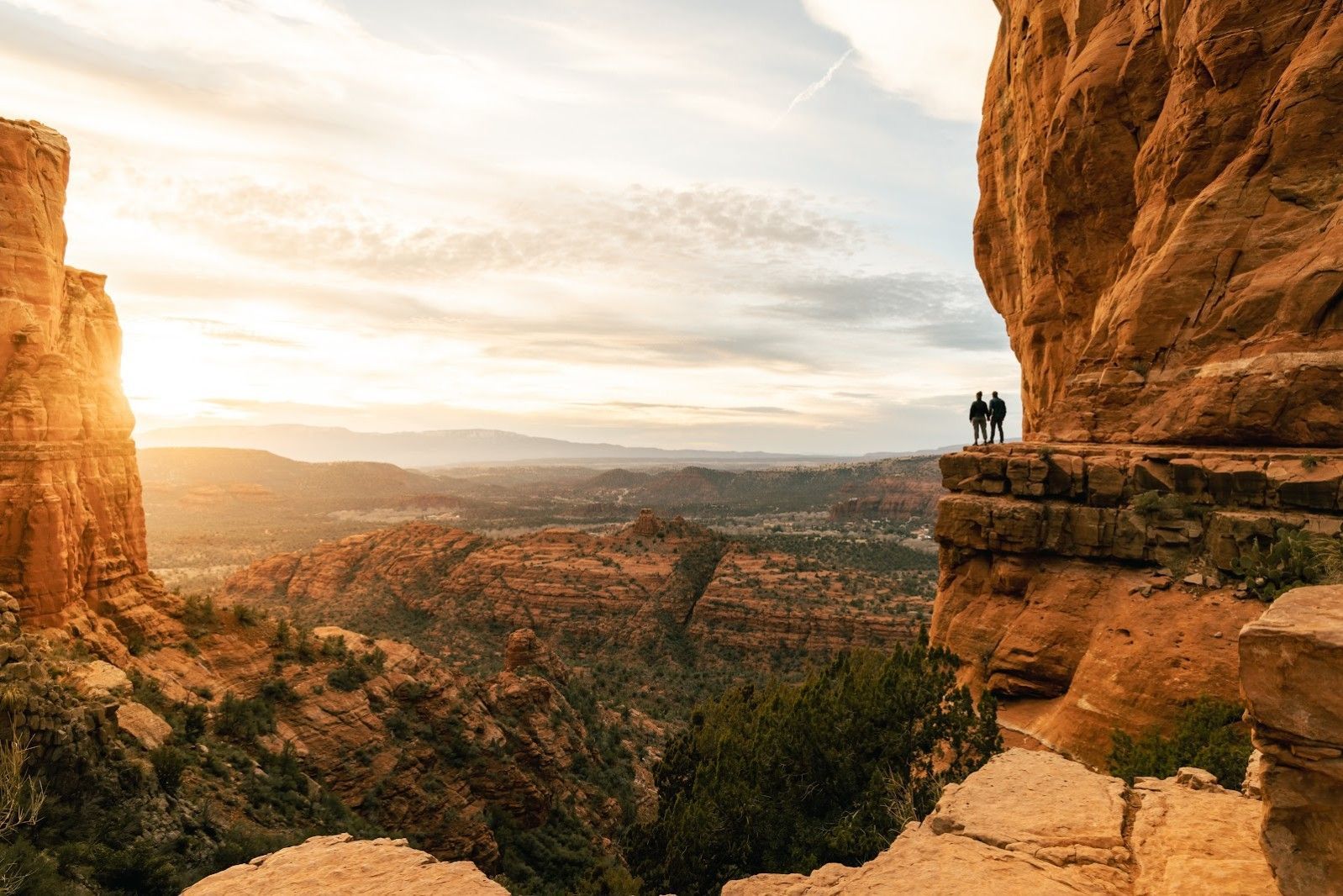
If there’s one place in Sedona that feels cinematic at sunset, it’s Cathedral Rock. Not just because of the shape. Because of the way light moves across it. And if you time it right, it’s not just a view. It’s a moment. Why Cathedral Rock at Sunset Is Different Sunset doesn’t just light the rock. It transforms it. The red deepens. Shadows stretch. The sky shifts from gold to soft violet. And everything slows down. How to Get There Cathedral Rock Trailhead Located off Back O’ Beyond Road Small parking lot (fills fast) Pro tip: Arrive at least 60–90 minutes before sunset. The Hike (What to Expect) Distance: ~1.2 miles round trip Difficulty: Moderate to strenuous This is a short but steep climb. You’ll use your hands in sections. Expect slickrock ascents. But the reward? Front-row sunset. Best Sunset Strategy Option 1: The Saddle (Classic View) Climb to the saddle between the rock formations. This is where: Light hits last Views open in multiple directions Perfect for photos—and for just sitting and taking it in. Option 2: Lower Viewpoints (More Private) Not everyone needs the full climb. Lower ledges still offer: Strong angles of Cathedral Rock Fewer crowds And sometimes, more space to enjoy it. Best Photo Spots Midway ledges facing west Saddle viewpoint with valley backdrop Reflection shots near Oak Creek (earlier in the day) Golden hour starts earlier than you think—plan for it. What to Bring for Sunset Water Headlamp or flashlight (for the descent) Light jacket Camera or phone Descending in low light is part of the experience—be ready. Romantic Angle (What Makes This Special) This is one of Sedona’s most shared experiences for couples. Not because it’s easy. Because you earn it. Climbing together. Sitting side by side. Watching the light fade. No distractions. Just landscape and time. Pairing It With Your Stay The ideal flow: Late afternoon arrival Early dinner or light snack Head to trail before sunset Return under the stars And if you’re staying nearby? No rush. No pressure. Just the experience. Final Thought Cathedral Rock at sunset isn’t something you photograph and leave. It’s something you stay for. Until the light is gone.

There are a lot of ways to see Sedona. Trails. Overlooks. Scenic drives. But nothing compares to seeing it from above. A Sedona hot air balloon ride isn’t just an activity. It’s a perspective shift. What a Sedona Balloon Ride Is Actually Like This isn’t a fast, adrenaline-heavy experience. It’s slow. Quiet. Almost still. You lift off just after sunrise. And suddenly, the entire landscape opens beneath you. Red rock formations. Open desert. Light stretching across everything. When to Go (Timing Matters) Sunrise Flights (Standard) Most flights happen at sunrise for one reason: Wind conditions. Morning air is calmer, which makes the experience smoother and safer. And visually? It’s the best light of the day. How Long It Lasts Total experience: 3–4 hours Flight time: ~45 minutes to 1 hour Includes: Check-in and setup Flight Post-flight celebration (often a toast) Price Range (What to Expect) Typical cost: $275–$400 per person Prices vary based on: Season Company Package inclusions It’s not cheap. But it’s one of the most memorable things you can do in Sedona. What You’ll See From above, Sedona feels different. You’ll see: Bell Rock and Courthouse Butte Cathedral Rock from a distance Wide desert valleys Layered ridgelines And the scale becomes real. Is It Safe? Yes—when you book with licensed operators. Pilots are FAA-certified, and flights are weather-dependent. If conditions aren’t right, flights don’t go. What to Wear Comfortable clothes Closed-toe shoes Light layers It’s not significantly colder up there—but early mornings can be cool. Why Couples Choose This There’s a reason this is one of Sedona’s top couple experiences. It’s shared. You’re standing together, floating above everything, watching the sun rise. No noise. No rush. Just space. Pairing It With Your Stay Best approach: Early wake-up Balloon ride at sunrise Return late morning Relax, nap, reset Sunset walk or dinner later It becomes a full-day rhythm—not just a single activity. Final Thought A Sedona hot air balloon ride isn’t something you do every trip. But it’s the kind of experience you remember every time you think about Sedona. And that’s the point.

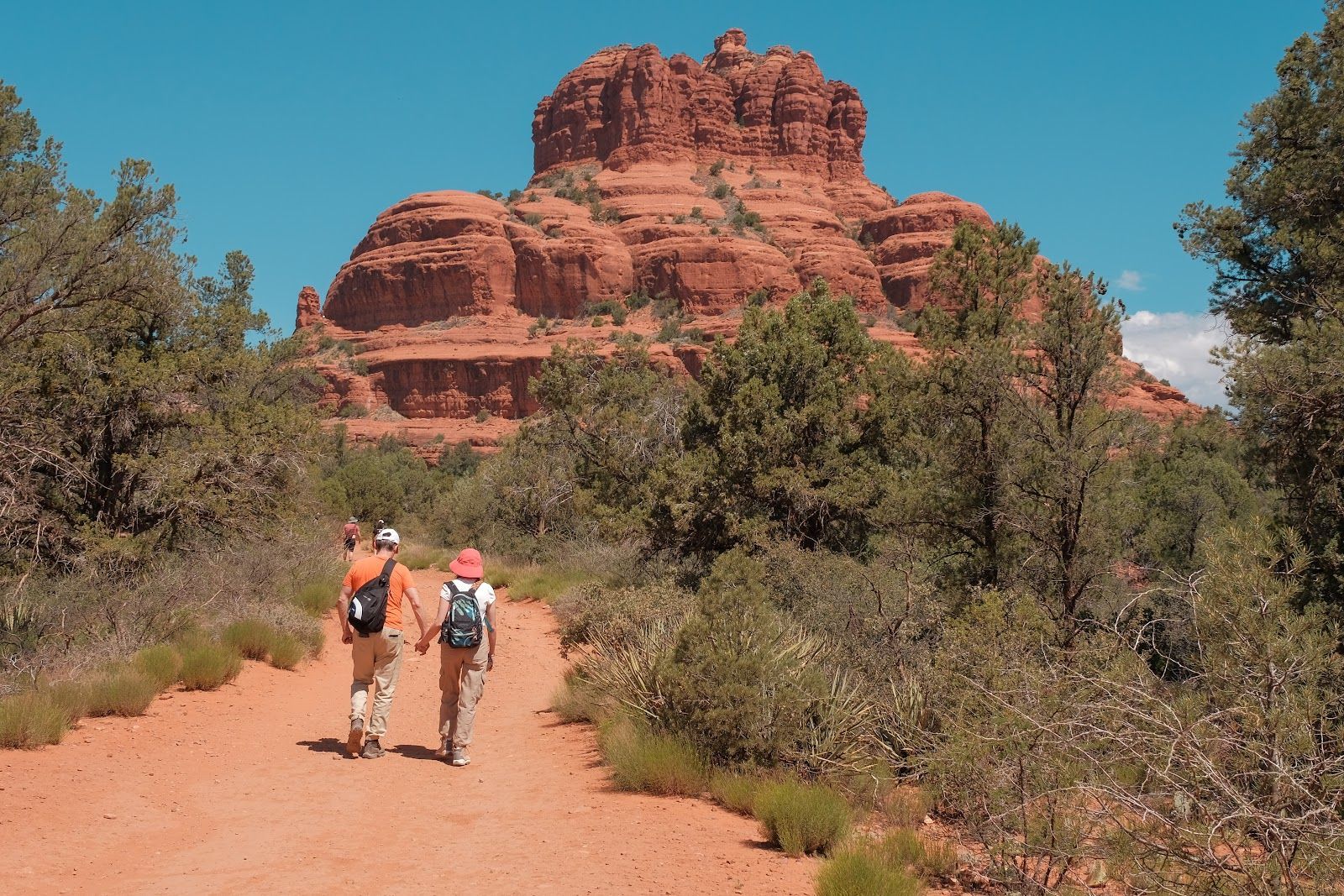
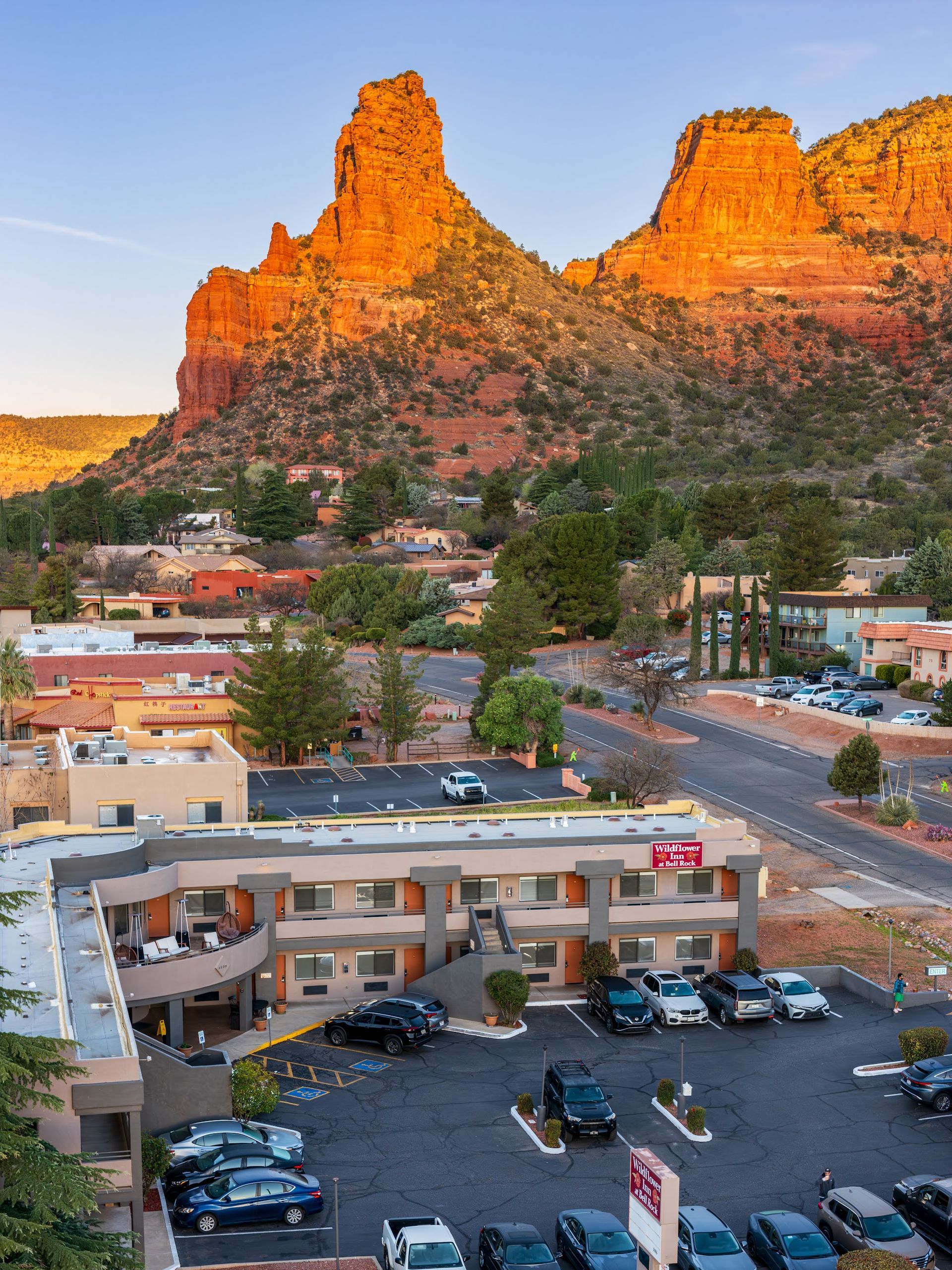
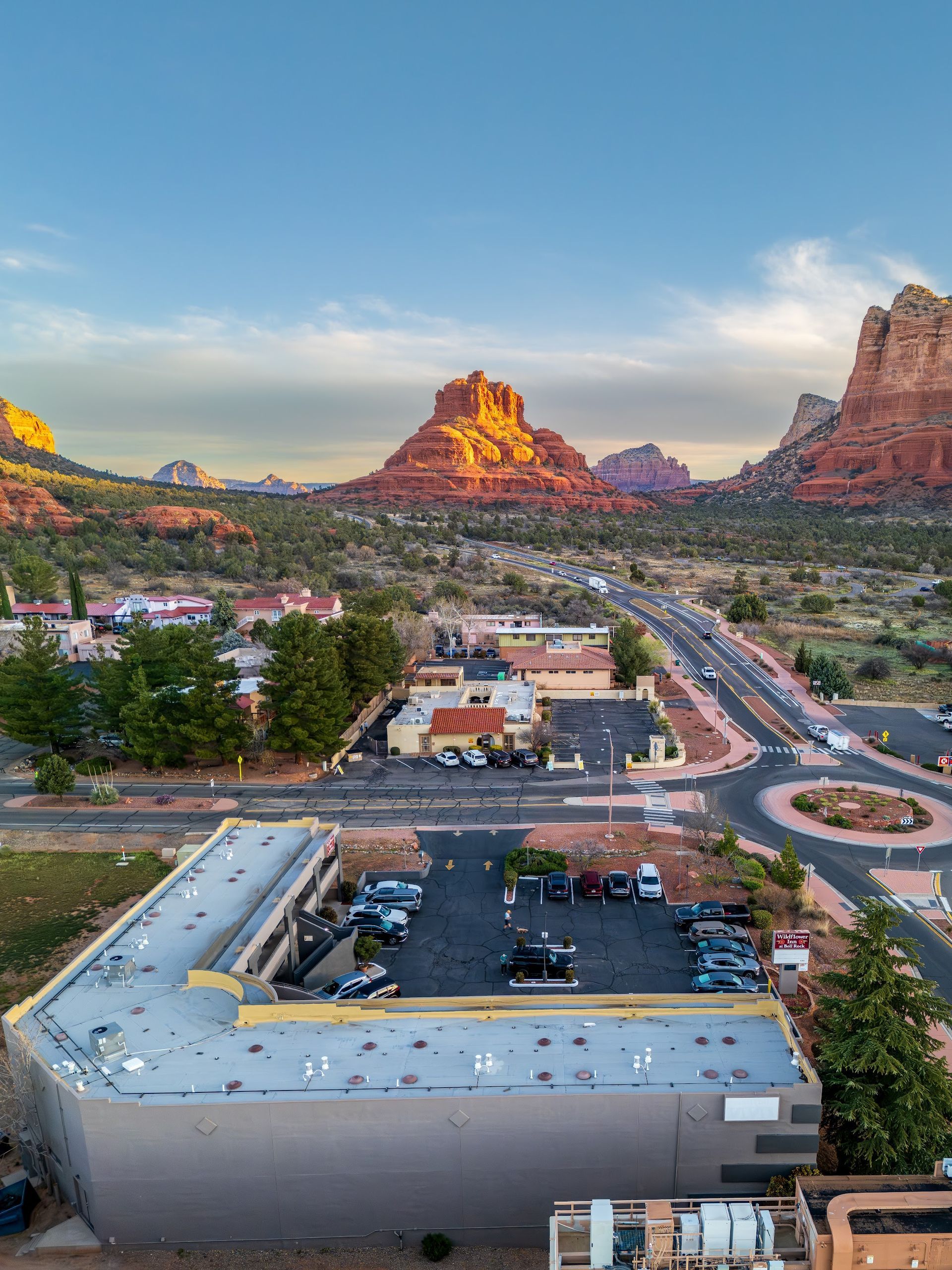
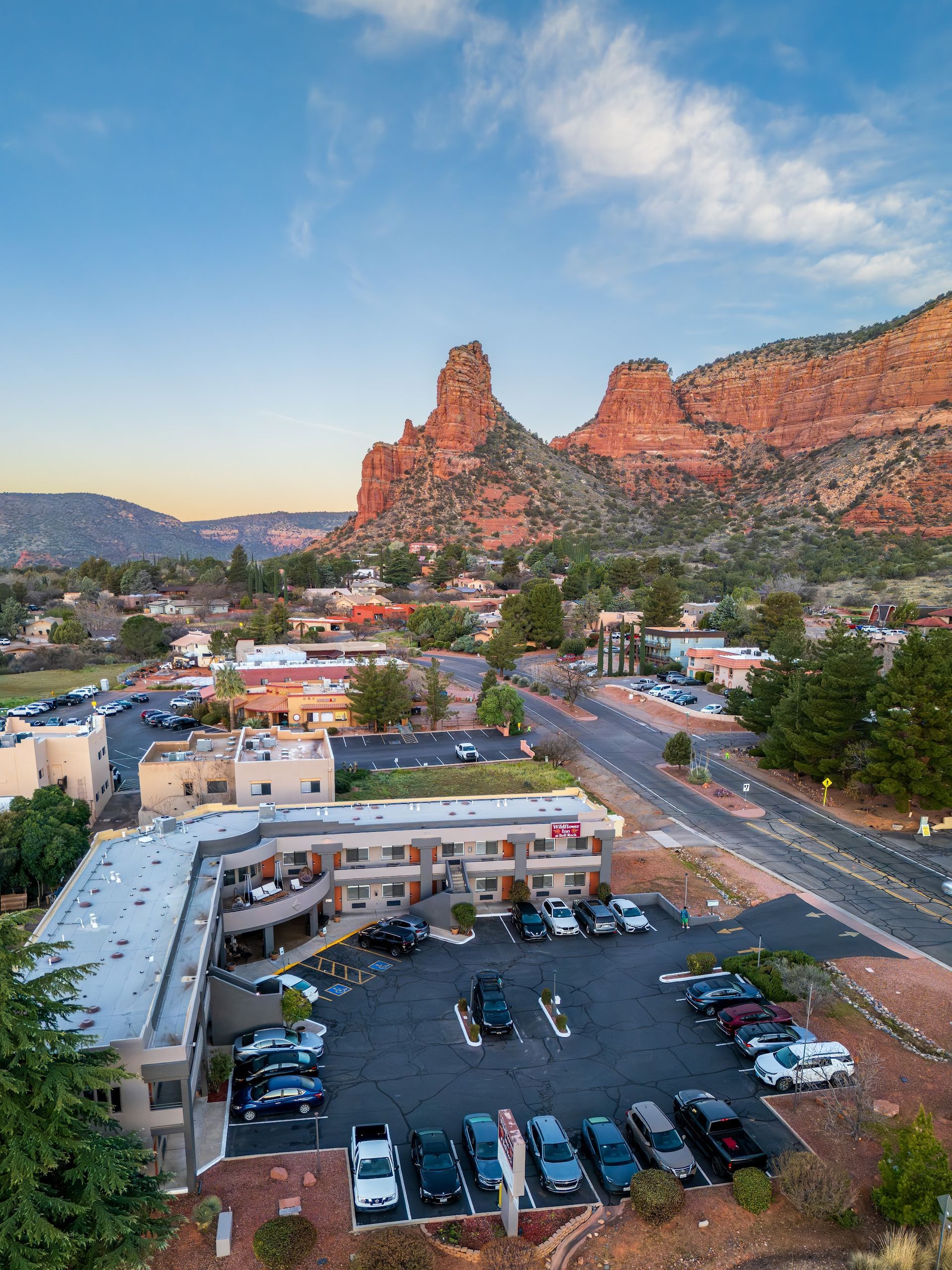
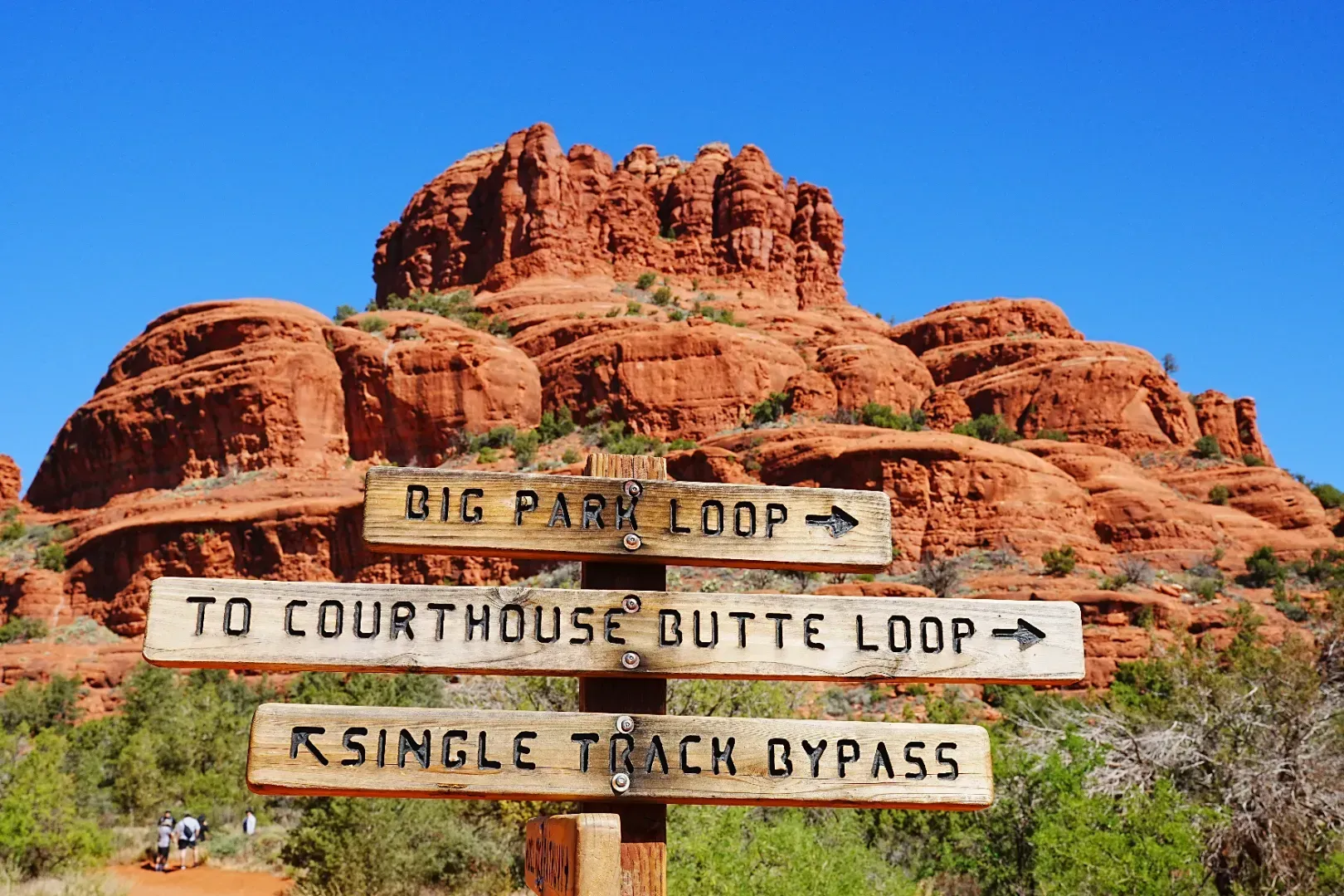
If you’re coming to Sedona for one reason, there’s a good chance it’s Bell Rock. Not just because it’s iconic—but because it’s accessible, endlessly explorable, and delivers some of the best “effort-to-reward” views in Arizona. And if you’re staying at Wildflower Inn, you’re not planning a Bell Rock day. You’re already in it. This is your full, no-fluff Bell Rock guide—from trails and timing to hidden viewpoints and how to experience it like someone who actually knows the terrain. Where Bell Rock Is (And Why It Matters) Bell Rock sits in the Village of Oak Creek, just south of Sedona proper. That matters more than most guides admit. Because while many visitors drive 20–30 minutes to get here, you’re starting your hike within minutes. Less driving. More sunrise. The Bell Rock Trail System (What You’re Actually Walking Into) This isn’t one trail. It’s a network. Bell Rock Pathway (The Main Route) Distance: ~3.6 miles (round trip, flexible) Difficulty: Easy to moderate Surface: Wide, packed dirt This is where most people start—and stay. You’ll get wide-open red rock views, gradual elevation, and multiple offshoots that let you customize your hike without committing to anything intense. Bell Rock Climb (The Scramble Option) If you want to actually climb Bell Rock, you can. There’s no single defined trail—just a series of natural ledges and worn paths. It’s part hiking, part scrambling. And the higher you go, the quieter it gets. Best Time to Go (Don’t Miss This) Sunrise (Best Overall) Fewer people Soft, glowing light on the rock Cooler temperatures This is the move. Coffee in hand. First light hitting the rock. Silence except for boots on gravel. Sunset (Popular for a Reason) Warmer tones Dramatic shadows More crowds Still worth it—but expect company. What Most People Miss 1. The Side Trails Most visitors stick to the main path. But the magic is just off it. Small spur trails lead to: Elevated viewpoints Quiet rock shelves Photo angles without crowds Take them. 2. The 360° Perspective Don’t just look at Bell Rock. Turn around. You’ll see: Courthouse Butte Open desert stretching out Layers of red rock fading into distance This is what makes the area feel expansive—not just scenic. What to Bring (Keep It Simple) Water (always) Trail shoes or sneakers Light layer (mornings are cooler than you expect) Phone or camera No overpacking. This isn’t that kind of hike. Parking + Access Primary access is via: Bell Rock Trailhead Parking Lot It fills quickly, especially mid-morning. Another advantage of staying nearby? You can beat it. Staying Near Bell Rock (Why It Changes the Experience) Most Sedona itineraries treat Bell Rock like a stop. But it’s better as a rhythm. Morning hike. Afternoon rest. Sunset return. That only works if you’re close. At Wildflower Inn, Bell Rock isn’t something you schedule. It’s something you step into. Sample Half-Day Itinerary Morning Sunrise walk on Bell Rock Pathway Light scramble partway up Midday Return, relax, recharge Evening Short walk back out for golden hour Same trail. Completely different experience. Final Thought Bell Rock isn’t about checking a box. It’s about access—to views, to quiet, to space. And the closer you stay to it, the more it feels like yours.

Wildflower Inn | Bell Rock Basecamp West Fork is one of Sedona’s most photographed hikes. Towering canyon walls. Seasonal creek crossings. Autumn color fame. But what about March? If you’re visiting in spring and wondering whether it’s worth the drive from Bell Rock, here’s the clear, no-fluff answer. First: Understand What West Fork Actually Is West Fork is not red rock slickrock. It’s a shaded canyon hike located off Oak Creek Canyon, about 25–30 minutes from the Village of Oak Creek. The terrain is flatter than Bell Rock, with multiple shallow creek crossings and dense tree cover. It’s known for: Fall foliage Cooler summer hiking Dramatic canyon walls Water access In March, the experience is different. The Honest Pros of West Fork in March 1. Cooler Temperatures March mornings can be crisp. West Fork stays cooler than Bell Rock because of the tree cover and canyon shade. If you hit an unexpectedly warm spring day, this trail offers relief. 2. Fewer Fall Crowds It’s busy in autumn. In March, it’s active — especially during Spring Break — but not peak-level chaos like October weekends. 3. Flowing Water Snowmelt from higher elevations can increase creek flow in early spring. The crossings feel lively and scenic. If you like the sound of water and enclosed canyon hiking, March delivers atmosphere. The Honest Cons (That Most Blogs Skip) 1. It’s Not Peak Scenic Season West Fork’s dramatic reputation comes from fall color. In March, trees are mostly bare. You get canyon structure and water, but not vibrant foliage. If you’re expecting postcard autumn visuals, you will be underwhelmed. 2. The Water Is Cold Those creek crossings? Cold. Snowmelt cold. You will either: Carefully rock-hop Get damp Or fully wet if you misstep Bring waterproof shoes or expect numb toes. 3. It’s a Drive From Wildflower Inn near Bell Rock, you are leaving prime red rock territory to spend half a day in Oak Creek Canyon. That’s not inherently bad — but it’s a tradeoff. You are giving up sunrise access at Bell Rock for a later canyon start. Who West Fork Is Great For in March West Fork makes sense if: You want shade You prefer flatter terrain You enjoy water features You are staying multiple nights and want variety You’re hiking with someone who doesn’t love exposed slickrock It is especially good for visitors who already explored Bell Rock and Cathedral Rock and want a change in landscape. Who Should Skip It You might skip West Fork in March if: You are only in Sedona for 1–2 nights You want classic red rock panoramas You’re chasing sunrise glow You don’t want wet feet You’re traveling with dogs that dislike water crossings If time is limited, Bell Rock, Courthouse Butte, or Chapel area viewpoints deliver more iconic Sedona per hour invested. The Smart Strategy (If You Go) If you decide to hike West Fork in March: Arrive early (before 9:00 AM during Spring Break) Wear waterproof or quick-dry footwear Bring extra socks Pack layers (canyon shade stays cool) Budget 3–4 hours for a relaxed out-and-back The full trail stretches about 6.5 miles round trip, but many visitors turn around earlier once they’ve experienced the canyon. The Wildflower Take Here’s the straightforward perspective: West Fork in March is good. It is not Sedona’s most iconic spring experience. If this is your first visit and you’re staying at Wildflower Inn, maximize Bell Rock at sunrise, explore Courthouse Butte, and take advantage of the proximity you have. Those open red rock views are why people come here. Add West Fork if you have extra time and want contrast. Final Verdict Worth it in March? Yes — if you want variety and shade. No — if you are chasing peak Sedona visuals. Sedona rewards smart positioning. From Wildflower Inn, you are already minutes from some of the most photogenic terrain in Arizona. Start there. Then decide if you want the canyon detour. Book direct. Hike early. Choose your terrain wisely.

Wildflower Inn | Bell Rock Basecamp Spring in Sedona looks like the perfect dog trip. Blue skies. Open trails. Red rock backdrops. Cool mornings and warm afternoons. And yes — it can be incredible with your dog. But most visitors misunderstand what “dog-friendly” actually means here. They assume access equals ease. They assume mild weather equals safe conditions. They assume every trail works the same way. It doesn’t. If you’re planning a spring stay at Wildflower Inn with your dog, here’s what you need to know — and what most people get wrong. What People Get Wrong #1: “It’s Spring, So It’s Not That Hot.” Sedona in March and April feels comfortable in the morning. By midday, temperatures climb quickly into the 70s — sometimes higher. What surprises visitors is not the air temperature. It’s the ground temperature. Red rock and slickrock surfaces absorb and radiate heat. By late morning, those surfaces can become uncomfortable for paws, especially on exposed sections of Bell Rock and Courthouse Butte. The solution is simple: hike early. Aim to be on trail between 6:30 and 9:00 AM. The ground is cooler, the air is calmer, and your dog will enjoy the experience instead of tolerating it. If you wouldn’t walk barefoot on it, your dog shouldn’t either. What People Get Wrong #2: “All Sedona Trails Are Shaded.” Most Bell Rock trails are exposed. This is high desert terrain with limited tree cover. There are stretches of juniper and scrub, but you will not find consistent canopy shade like you would in forested mountain trails. That means: Carry more water than you think you need (for both of you). Bring a collapsible bowl. Plan shorter loops instead of long midday treks. Dogs overheat faster than humans, especially in dry climates where the air does not feel oppressive. From Wildflower Inn, you have the advantage of proximity. You can do shorter, strategic outings rather than committing to a long, exposed hike during peak heat. What People Get Wrong #3: “Dog-Friendly” Means Off-Leash Friendly. Sedona’s trail systems require dogs to be on leash. This is strictly enforced, especially during busy Spring Break weeks. Why? Wildlife protection Trail courtesy Safety on shared-use paths (hikers, bikers, jeep tours) Bell Rock Pathway is popular and active. Off-leash dogs create risk quickly in this environment. Spring is also wildlife season. Javelina, coyotes, and snakes are present. Keep your dog leashed. Choose a comfortable, non-retractable lead that allows control on slickrock sections. What People Get Wrong #4: Parking Is the Hard Part Spring Break brings full lots by mid-morning. Visitors often load up their dogs, drive to the trailhead, and then circle for parking while their dog waits in a warming car. That is not ideal. Staying at Wildflower Inn changes this entirely. You are minutes from Bell Rock. You can time your departure precisely, avoid traffic buildup, and return quickly if your dog tires out. This flexibility is a major advantage when traveling with pets. What People Get Right (When They Plan Well) When visitors plan properly, Sedona in spring becomes an incredible dog trip. Early morning hikes around Bell Rock offer wide, open movement and gentle elevation. The Courthouse Butte Loop provides longer mileage for high-energy dogs. The Village of Oak Creek is quieter than Uptown, which means fewer overstimulating crowds. Evenings are especially good. The air cools quickly after sunset, and shorter twilight walks feel calm and spacious. And then there is the stargazing. Dogs settle easily in the cool desert air. You can step outside, sit under the night sky, and experience Sedona at its quietest. Spring skies are clear and expansive. It is a simple moment — and often the most memorable. Smart Spring Packing for Dogs If you are visiting in March or April, bring: Extra water (more than you use at home) A collapsible bowl Paw wipes for dusty slickrock A lightweight jacket if your dog runs cold at sunrise Identification tags (busy trail systems increase risk of separation) Spring weather shifts quickly in the high desert. Prepared owners have relaxed trips. Why Wildflower Works for Dog Travelers Wildflower Inn is built for trail-first travelers. That simplicity works especially well when you have a dog. There are no long interior corridors. No elevators. No crowded resort lobbies. You can move in and out efficiently. Early hikes are easy to coordinate. Midday breaks are simple. Most importantly, you are positioned near Bell Rock instead of driving across town. With dogs, proximity is comfort. The Reality Sedona is dog-friendly. It is not dog-effortless. Spring success comes down to timing, hydration, leash discipline, and smart route choices. If you approach it strategically, your dog will experience the desert the way it should be experienced — cool mornings, open views, steady movement, and quiet nights. Plan well. Start early. Stay close to the trails. And let Bell Rock do the rest. Book direct. Pack the leash. Move at sunrise.

February in Sedona is a season of contrast—in the best way. Days are bright and comfortable, perfect for hiking under blue skies. Nights, however, cool quickly, bringing crisp air and star-filled evenings that feel distinctly alpine. If you’re planning a February stay at Wildflower Inn , packing smart—rather than packing more—will help you enjoy Sedona fully. This short, intentional packing list covers exactly what you need for sunny hikes, chilly nights, and everything in between . Understanding February Weather in Sedona Before packing, it helps to know what to expect. Typical February conditions: Daytime highs: 50s–60s°F Nighttime lows: 30s–40s°F Strong sun exposure year-round Occasional wind, especially at higher elevations Translation? Layers matter. The February Short List (What Actually Gets Used) 1. Lightweight Base Layers (2–3 Pieces) Think breathable, moisture-wicking tops you can wear alone during midday hikes or layer under warmer pieces in the evening. Best choices: Long-sleeve performance tees Lightweight merino or technical fabrics Skip bulky cotton—Sedona is dry, but temperature shifts are real. 2. One Warm Insulating Layer February evenings cool fast. Bring one solid warmth layer instead of multiple heavy items. Ideal options: Fleece jacket Lightweight down or insulated puffer This layer becomes essential for: Sunset walks Dinner outings Stargazing nights 3. Wind-Resistant Outer Layer Even on sunny days, wind can move through open red rock corridors. A simple shell or windbreaker: Cuts the chill without overheating Packs down easily for hikes Adds flexibility to your layering system This is one of the most overlooked—and most useful—items. 4. Hiking Pants (or Stretchy Trail-Friendly Bottoms) February trails are best enjoyed comfortably. Look for: Lightweight hiking pants Stretchy joggers designed for movement Optional thermal leggings if you run cold Shorts are usually unnecessary this time of year. 5. Proper Hiking Shoes Sedona trails are rocky, uneven, and beautiful—footwear matters. Bring: Trail shoes or light hikers with grip Comfortable walking shoes for town Leave brand-new shoes at home. February hikes are not the time to break them in. 6. Warm Accessories (Small, High Impact) You don’t need much, but these items make a big difference at night: Beanie or knit hat Light gloves Warm socks (wool preferred) They take up almost no space and dramatically improve comfort. 7. Sun Protection (Yes, Even in February) Sedona’s sun is strong year-round. Pack: Sunglasses Sunscreen (SPF 30+) Lip balm with SPF Even cool days can lead to sunburn, especially on exposed trails. 8. Daypack + Reusable Water Bottle Hydration is essential—even in winter. A small daypack lets you carry: Water Layers Snacks Camera or phone Most February hikes are dry, with no water sources along the way. Optional Extras (Nice, Not Necessary) If you have room: Headlamp for early sunsets or stargazing walks Compact travel blanket for outdoor evenings Camera with extra battery (cold drains power faster) What You Can Skip Traveling lighter makes the experience better. You likely won’t need: Heavy winter coats Snow boots Multiple bulky sweaters Formal outfits Sedona in February is casual, active, and relaxed. Packing for Valentine’s Day in Sedona Visiting around Valentine’s Day ? Add one thoughtful item rather than an entire outfit. Consider: A cozy layer you’ll both enjoy wearing outdoors Something warm for sunset or stargazing Comfortable shoes for shared walks Romance in Sedona is about moments—not dress codes. Why This List Works for Wildflower Inn Guests Guests staying at Wildflower Inn often appreciate: Easy access to hiking without overpacking Calm evenings where warmth matters more than style The ability to move between indoors and outdoors effortlessly This short list supports that rhythm—adventure by day, comfort by night. Final Thought: Pack for Contrast, Not Extremes February in Sedona isn’t harsh—it’s nuanced. Warm sun, cool shadows, crisp nights, and wide-open skies. Pack with intention, layer smart, and you’ll spend less time adjusting and more time experiencing. Cold nights. Sunny hikes. Nothing extra required.

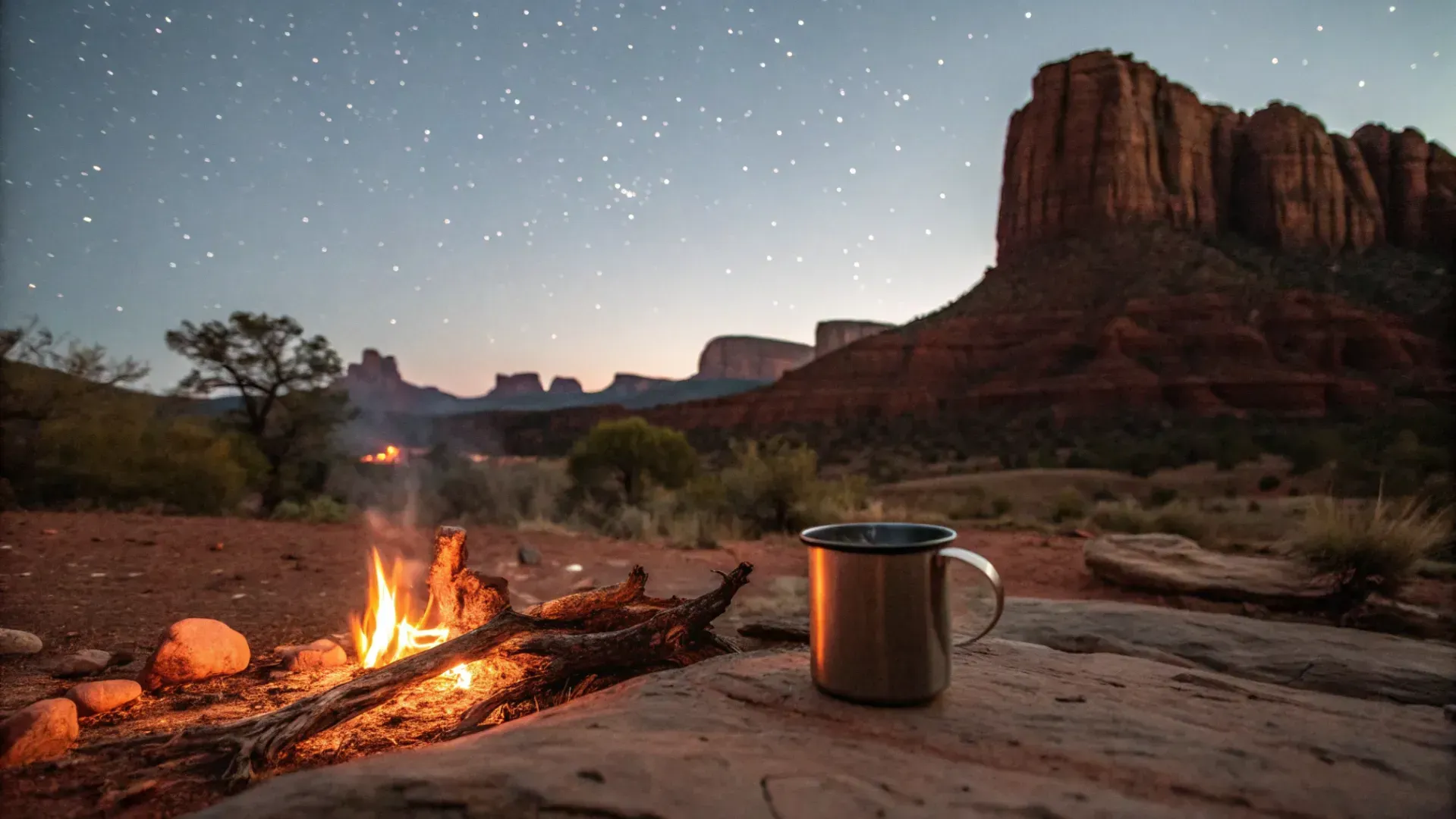
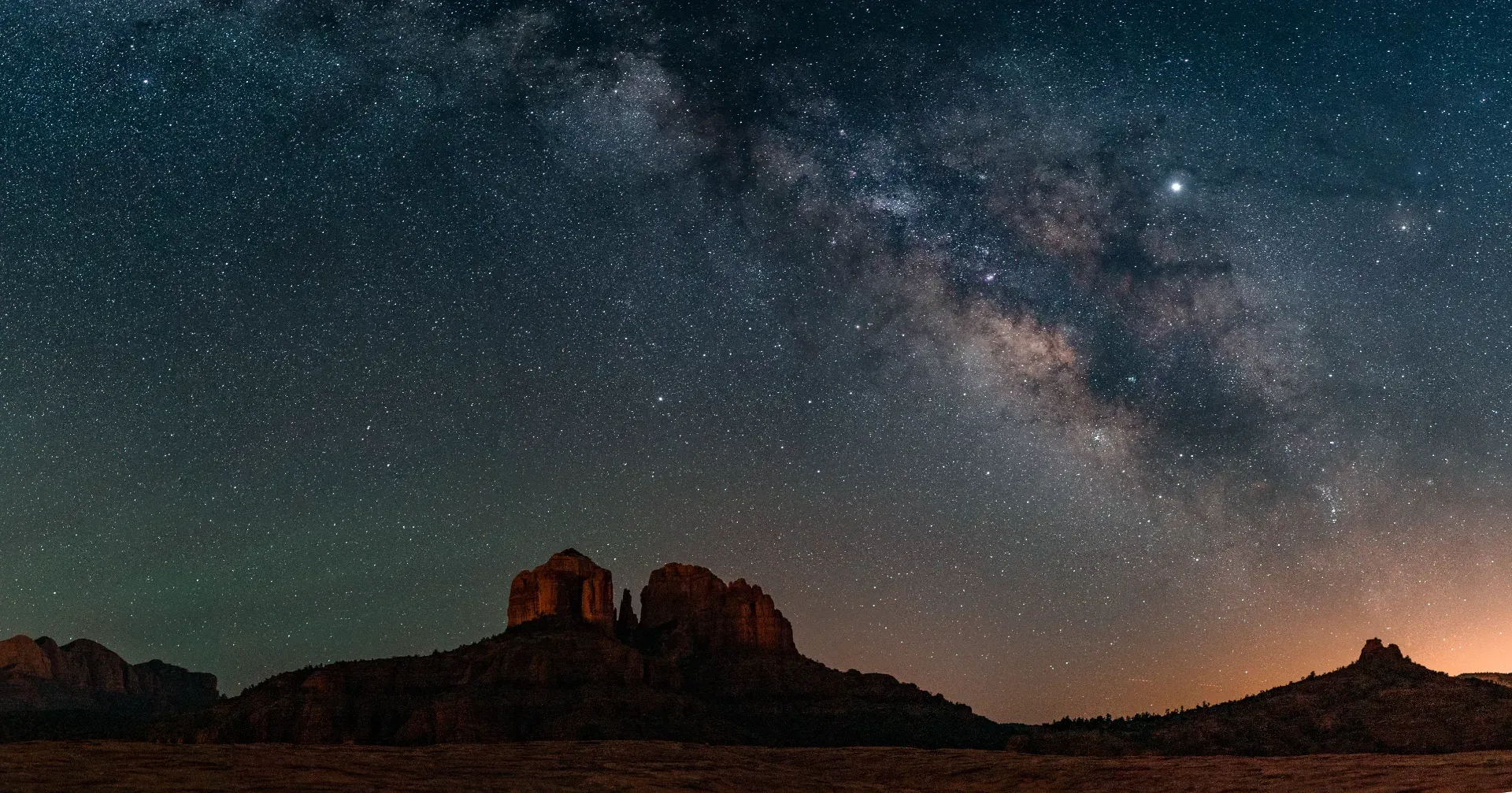
If Sedona has a love language, it’s shared moments in wide-open landscapes—morning light on red rock, quiet trails beneath your boots, sunsets that stop conversation mid-sentence, and skies full of stars once the day fades. For couples planning a romantic escape—especially around Valentine’s Day —the Bell Rock area offers the perfect balance of adventure and intimacy. And with Wildflower Inn as your home base, the experience unfolds effortlessly. This is the Bell Rock Couples Weekend —a simple, soulful stay built around three things that never go out of style: a hike, a sunset, and the stars . Why Bell Rock Is Perfect for a Couples Getaway Bell Rock is one of Sedona’s most iconic formations, but it’s also one of the most accessible and versatile—making it ideal for couples who want meaningful experiences without over-planning. What makes it special: Multiple trails for all energy levels Open sightlines and expansive views Easy access without committing to an all-day hike Incredible light from sunrise to stargazing It’s romantic without being crowded, dramatic without being intimidating. Day One: Arrive, Unplug, Set the Tone Arrive in Sedona mid-day and settle into Wildflower Inn , where the pace immediately slows. Instead of rushing into a packed itinerary, couples often find the best start is doing… less. Open the windows. Let the red rock air in. Put phones down. For Valentine’s Day travelers, this moment matters—it’s the reset before the weekend truly begins. Optional afternoon ideas: Light walk nearby to stretch after travel Coffee or tea together before heading out Early dinner to leave room for sunset plans Day Two Morning: A Bell Rock Hike, Your Way Start your day with a Bell Rock trail hike , choosing a route that matches your energy and mood. Great options for couples: Bell Rock Pathway for an easy, scenic walk Courthouse Butte Loop (partial) for a longer shared experience Vista Trail for a short climb and rewarding views This isn’t about conquering a summit—it’s about walking side by side, setting your own pace, and letting the landscape do the talking. 💡 Valentine’s tip: Bring a thermos of coffee or hot cocoa. Small rituals feel bigger in Sedona. Midday: Rest, Reset, Reconnect One of the most underrated parts of a romantic weekend is intentional downtime . Return to Wildflower Inn mid-day to: Shower off the red dust Read or nap without an agenda Sit quietly and plan nothing Sedona rewards couples who don’t over-schedule. Golden Hour: Sunset at Bell Rock As the light shifts, head back out—this time for sunset . Bell Rock glows in the evening, with warm tones that deepen by the minute. Whether you walk a short section of trail or simply find a quiet viewpoint, sunset here feels intimate even when shared with others. Why sunset works for couples: Cooler air Softer crowds Naturally romantic lighting No props needed. No planning required. Just be there. Valentine’s Day Moment: Make It Intentional If you’re visiting around Valentine’s Day , sunset is the perfect time to mark the occasion—without forced gestures or clichés. Simple ideas that feel meaningful: Share a handwritten note Toast with something warm Take one photo, then put the phone away Sedona doesn’t need embellishment. The setting already does the work. Nightfall: Stargazing, Sedona-Style After dinner, the weekend slows again. Sedona is a certified dark sky community , and the Bell Rock area offers incredible stargazing once the lights fade. Even without a telescope, the sky feels expansive and humbling. Wrap up, step outside, and look up. For couples, this is often the moment that lingers longest—the quiet, the stillness, the sense of being far away from everything else. Why Wildflower Inn Completes the Experience A couples weekend works best when your stay supports the flow of the experience—not when it distracts from it. Guests choose Wildflower Inn because it offers: Easy access to Bell Rock without congestion A calm, unfussy atmosphere Space to unwind between moments A setting that feels personal, not performative It’s not about luxury excess—it’s about comfort, intention, and location. The Bell Rock Couples Weekend, Done Right This isn’t a packed itinerary or a checklist of must-sees. It’s a rhythm: Hike. Sunset. Stars. Add Valentine’s Day into the mix, and it becomes even more meaningful—not because of grand gestures, but because of shared presence. Sedona has a way of reminding couples why they travel together in the first place. And when the weekend ends, what stays isn’t just the photos—it’s the feeling.